You Won’t Believe What We Almost Missed in Sicily’s Wild Beauty
Sicily isn’t just pasta and volcanoes—it’s a land where nature throws absolute curveballs. I came for the beaches but stayed for the hidden gorges, surreal salt flats, and mountain trails that take your breath away. But here’s the real talk: without the right timing and local tips, you can easily miss the magic—or worse, walk right into tourist traps. This is the raw, unfiltered side of Sicily’s natural wonders, pitfalls and all.
The Allure of Sicily’s Natural Wonders
Sicily is a geological masterpiece shaped by fire, sea, and time. While many tourists flock to its historic cities and sun-kissed coastlines, the island’s true soul lies in its astonishing natural diversity. From the smoldering slopes of Mount Etna to the crystalline lagoons of the Trapani salt pans, Sicily offers landscapes that feel almost otherworldly. The island sits at the crossroads of tectonic plates, resulting in dramatic formations—volcanic craters, deep canyons, and limestone caves—that have been sculpted over millennia. This dynamic terrain supports a rich tapestry of ecosystems, including Mediterranean scrublands, pine forests, and rare coastal wetlands.
What makes Sicily especially compelling is how accessible its natural wonders are. Unlike remote wilderness areas in other parts of the world, many of these sites are within a short drive from towns with centuries-old culture and cuisine. The Aeolian Islands, a UNESCO World Heritage Site, exemplify this blend of natural and cultural significance. These volcanic islands rise dramatically from the Tyrrhenian Sea, each with its own character—from the bubbling fumaroles of Vulcano to the black-sand beaches of Lipari. Visitors can hike active craters, swim in thermal springs, and explore ancient ruins—all in one trip.
Yet beyond the well-trodden paths lies a quieter, more intimate Sicily. Fewer travelers venture into the Nebrodi Mountains, where wild boars roam and chestnut forests blanket the hills. Others overlook the Zingaro Nature Reserve, a protected coastal stretch with hidden coves and crystal-clear waters. These places offer a chance to experience nature not as a spectacle, but as a living, breathing presence. The island’s beauty isn’t just in its grandeur—it’s in the details: the way light filters through a grove of olive trees, the sound of cicadas echoing in a valley at dusk, or the sudden appearance of a kestrel soaring above a cliffside trail.
Chasing Etna: Power and Peril
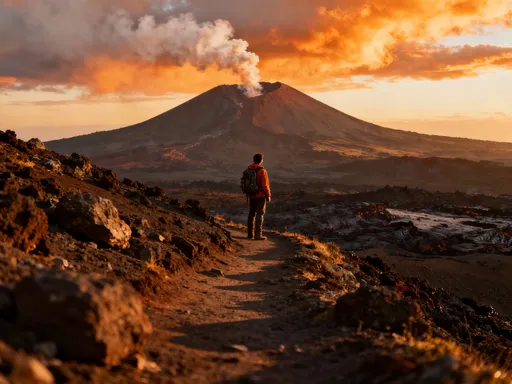
Mount Etna dominates Sicily’s skyline—and rightfully so. At over 3,300 meters, it is Europe’s tallest and most active volcano, a force of nature that has shaped the island’s geology, agriculture, and culture. Vineyards thrive on its mineral-rich soil, and local legends speak of fire gods and ancient eruptions. For many visitors, a journey to Etna is non-negotiable. But while the volcano is awe-inspiring, it is also unpredictable, and approaching it without preparation can lead to disappointment or danger.
One of the most common mistakes tourists make is booking tours through unlicensed operators who promise access to high-altitude craters but lack proper safety protocols. Some groups attempt summit hikes without checking weather conditions or volcanic activity levels, only to be turned back at the last moment by park rangers. Others underestimate the physical demands of the terrain—thin air, loose volcanic rock, and sudden temperature drops can catch even fit hikers off guard. In winter, snow and ice add another layer of risk, making certain routes accessible only with guides equipped with crampons and radios.
The key to a successful Etna experience lies in timing and credibility. Licensed tour companies, often based in Catania or nearby towns like Nicolosi, coordinate closely with the Istituto Nazionale di Geofisica e Vulcanologia to ensure safe access. Morning tours typically offer the clearest visibility and most stable weather. For those not aiming for the summit, the Rifugio Sapienza area provides striking views of lava flows and secondary craters, along with educational exhibits about volcanic activity. Cable cars and 4x4 shuttles make higher elevations accessible to a wider range of visitors, though hiking remains the most immersive way to appreciate Etna’s scale.
Equally important is understanding what Etna represents beyond its visual drama. It is a living laboratory for scientists studying volcanic behavior, and its ongoing eruptions provide data that helps predict hazards worldwide. Respecting the mountain means acknowledging its power—not treating it as a backdrop for photos, but as a dynamic natural system that demands caution and curiosity in equal measure.
The Salt Flats of Marsala: Beauty in Decay
On the western edge of Sicily, where the sun sets in fiery streaks across shallow lagoons, lie the Trapani-Marsala salt flats—an ancient landscape shaped by wind, water, and human labor. These salt pans have been in use since Phoenician times, making them one of the oldest continuous industrial sites in Europe. The system of channels, basins, and windmills was designed to harness the sun’s heat to evaporate seawater and harvest salt. Today, though production has declined, the flats remain a working landscape and a sanctuary for wildlife.
The visual impact is immediate. The geometric patterns of the basins create a patchwork of blues, whites, and ochres that shift with the light. In spring and autumn, pink flamingos wade through the shallows, feeding on brine shrimp that thrive in the salty water. The sight of these elegant birds against the stark, reflective pools feels almost surreal. A few of the old windmills still stand, their sails motionless but evocative of a time when human ingenuity worked in harmony with natural rhythms.
Yet this fragile ecosystem is vulnerable to disruption. The most common mistake visitors make is arriving at midday, when the sun is directly overhead and the reflective glare makes photography difficult. The heat can also be oppressive, discouraging leisurely walks along the boardwalks. More concerning is the tendency for large tour groups to crowd the main viewpoints, particularly near the Saline di Trapani visitor center. This not only diminishes the sense of solitude but can disturb nesting birds and damage delicate vegetation.
To truly appreciate the salt flats, timing and mindfulness are essential. Early morning or late afternoon visits offer softer light, calmer winds, and fewer people. Walking quietly along the designated paths allows for closer observation of birdlife and plant species adapted to saline conditions. Some local guides offer small-group tours that include stories about the *salinieri*, the salt workers who once labored here under harsh conditions. Supporting these eco-conscious operators helps preserve both the cultural heritage and ecological integrity of the site.
Hidden Gorges and Secret Valleys
While Etna and the coast dominate travel itineraries, some of Sicily’s most breathtaking landscapes are tucked away in its interior. The Alcantara Gorges, carved over thousands of years by the Alcantara River through solidified lava flows, are a prime example. Towering basalt walls, some reaching 20 meters high, form a narrow canyon where cool river water flows between hexagonal rock columns. The effect is both primal and precise—like walking through a cathedral built by nature. In summer, when coastal temperatures soar, the gorges offer a refreshing escape, with water temperatures remaining cool even in peak heat.
Despite their growing popularity, the Alcantara Gorges remain relatively manageable if visited with planning. The main access point near Francavilla di Sicilia is well-equipped with changing rooms, footbridges, and safety signage. However, arriving early is crucial—by mid-morning, parking lots fill up, and guided rafting groups begin navigating the lower sections. For a more tranquil experience, consider visiting during the shoulder seasons of May or September, when crowds are thinner and the light filters through the canyon in golden shafts.
Lesser-known but equally striking are the limestone ravines of the Valle del Belice and the rocky channels near Erice. These formations, shaped by water erosion over millennia, are often overlooked due to limited signage and access. Unlike the Alcantara, they lack formal infrastructure, which means visitors must come prepared with sturdy footwear, water, and navigation tools. But this also means they retain a sense of discovery—fewer footprints, no crowds, just the sound of wind and water.
The challenge with such sites is balancing accessibility with preservation. Over-tourism can lead to erosion, littering, and damage to native flora. Some unofficial trails have formed due to social media exposure, leading hikers into unstable areas. Local environmental groups advocate for responsible visitation—staying on marked paths, packing out all waste, and avoiding visits during heavy rain when trails become slippery and dangerous. By choosing less-traveled routes and respecting natural boundaries, travelers can help protect these hidden gems for future generations.
Coastal Wonders Beyond the Crowds
Sicily’s coastline stretches over 1,000 kilometers, yet most tourists concentrate on a handful of famous beaches. Places like Cefalù and Taormina are undeniably beautiful, but their popularity comes at a cost—overcrowding, noise, and environmental strain. Beyond these hotspots, however, lie stretches of coast that remain wild, pristine, and deeply rewarding for those willing to seek them out.
The Plemmirio Marine Park, located on the southeast coast near Syracuse, is one such treasure. This protected area encompasses underwater caves, seagrass meadows, and rocky inlets accessible only by foot or non-motorized boat. Snorkelers can spot octopuses, groupers, and colorful sponges thriving in clear waters. The park’s network of trails offers panoramic views of the Ionian Sea, with minimal development visible. Because access is regulated, visitor numbers are controlled, preserving both marine and terrestrial habitats.
Similarly, the Egadi Islands—Favignana, Levanzo, and Marettimo—offer a slower pace and unspoiled beauty. Ferry rides from Trapani take about an hour, but the journey feels like stepping back in time. Marettimo, the most remote, has no airport or large hotels, just a few family-run guesthouses and quiet coves reachable by hiking or small boat. Cala Bianca and Spiaggia Nera are examples of beaches untouched by mass tourism, where the only sounds are waves and seabirds.
Equally enchanting are the sea caves near Scopello, framed by ancient tuna traps known as *tonnare*. Kayak tours allow visitors to glide into grottoes illuminated by sunlight filtering through cracks in the rock. These excursions are not only scenic but sustainable—small groups minimize impact, and local guides often share information about marine conservation. In contrast, motorized boat tours that speed through sensitive areas can damage seagrass beds and disturb nesting birds. Choosing eco-conscious operators supports both environmental protection and local economies.
When Nature Meets Logistics: Timing and Transport
No matter how stunning a destination may be, poor planning can turn a dream trip into a stressful ordeal. Sicily’s natural attractions are often scattered across rugged terrain with limited public transportation. Many of the best sites—remote gorges, mountain trails, coastal reserves—are accessible only by car. Relying on buses or regional trains may work for major cities, but they rarely serve trailheads or nature parks with frequency or reliability.
Renting a car offers flexibility, but it requires research. Summer months bring higher prices and lower availability, so booking in advance is advisable. Compact vehicles are ideal for narrow village streets and unpaved access roads, while GPS navigation should include offline maps—rural areas often have spotty signal. Drivers should also be prepared for mountain roads with sharp turns and minimal guardrails, particularly on routes leading to Etna or the Madonie Mountains.
Trail conditions vary widely. While some parks maintain excellent signage and visitor centers, others have faded markers or confusing junctions. Apps like Komoot or Wikiloc, which provide user-updated trail data, can be invaluable. Checking local weather is equally critical—Sicily’s summer heat can exceed 40°C, making midday hikes dangerous. Early starts, ideally before 7 a.m., allow hikers to complete routes before temperatures rise. Carrying at least two liters of water, wearing breathable clothing, and using sun protection are non-negotiable for safety.
Seasonality plays a major role in visitation success. June and September offer mild temperatures and fewer tourists, making them ideal for outdoor exploration. July and August, while perfect for beach lounging, can make inland excursions grueling. Spring brings wildflowers and flowing waterfalls, while autumn offers harvest festivals and cooler air. Aligning travel dates with natural rhythms enhances both comfort and experience.
Respecting the Wild: Conservation and Cultural Awareness
As tourism to Sicily’s natural areas grows, so does the responsibility to protect them. The island’s ecosystems are resilient but not indestructible. Littering, off-trail hiking, and unauthorized camping have led to erosion and pollution in sensitive zones. In some nature reserves, discarded plastic has been found in bird nests and marine habitats. Even well-meaning visitors can cause harm—feeding wildlife, picking plants, or straying into protected breeding areas disrupts delicate balances.
Local communities play a vital role in stewardship. Many rural families have lived in harmony with the land for generations, practicing sustainable farming, fishing, and land management. Tourists can support these efforts by choosing agriturismi that use local ingredients, hiring guides from nearby villages, and respecting private property boundaries. In protected areas like the Riserva Naturale Orientata dello Zingaro, entry fees directly fund conservation and ranger patrols—paying them is not a formality, but a contribution.
Education is another key component. Interpretive signs, guided walks, and visitor centers help travelers understand the ecological and cultural significance of what they’re seeing. Learning about the *fico d’india* cactus, for example—its role in preventing soil erosion and its use in traditional cuisine—adds depth to a simple roadside sighting. Similarly, understanding the history of the salt pans or the geology of Etna transforms a scenic stop into a meaningful encounter.
Ultimately, visiting Sicily’s wild places is not just about personal enjoyment—it’s about reciprocity. The island gives generously, but it asks for respect in return. By choosing sustainable practices, supporting local guardians, and treading lightly, travelers become part of a larger effort to preserve Sicily’s natural legacy. The most memorable moments often come not from grand vistas, but from quiet awareness—the realization that you are a guest in a living, breathing world that existed long before you arrived, and will continue long after you leave.
Sicily’s true magic lies not in checking off famous spots but in discovering its wild soul—on nature’s terms, not ours. Avoiding pitfalls isn’t about fear; it’s about respect, preparation, and curiosity. With mindful choices, every traveler can experience the island’s raw beauty without compromising its future.