You Won’t Believe What Happens When Groningen Throws a Party
Groningen doesn’t just host festivals—it lives them. I stepped off the train expecting a quiet Dutch city, but was hit by a wave of music, color, and energy. From open-air concerts in ancient squares to underground art crawls, the city transforms completely during festival season. This isn’t tourism—it’s total immersion. If you’ve ever wanted to feel like a local in the heart of Dutch culture, Groningen’s festival scene is your golden ticket. The air hums with anticipation, streets glow with hand-painted banners, and laughter echoes from every corner. Here, celebration isn’t an event; it’s a rhythm. And once you sync with it, you’ll understand why this northern Dutch gem has become one of Europe’s most magnetic cultural destinations.
Arrival: First Impressions of a City in Festival Mode
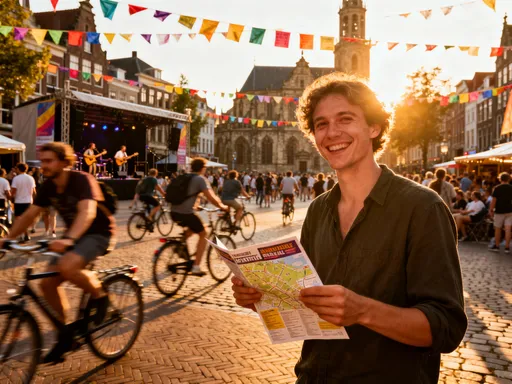
Stepping into Groningen during festival season feels like entering a different dimension of urban life. The train station, usually a quiet transit point, becomes a gateway pulsing with anticipation. Travelers roll suitcases adorned with festival wristbands, while locals on bicycles weave through crowds, baskets filled with picnic supplies and foldable chairs. The sound of distant drums or a busker’s saxophone drifts through the air, pulling visitors toward the city center like an invisible thread. Street lamps are wrapped in colored ribbons, and banners flutter above narrow lanes, announcing event times and performance zones. Even the scent changes—wood-fired stoves, Dutch apple pie, and freshly brewed coffee mingle in the crisp northern air.
What makes Groningen’s festival atmosphere so immediate is its human scale. Unlike sprawling metropolises where events feel isolated, Groningen’s compact layout ensures that celebration is never more than a ten-minute walk away. The city center is largely car-free, allowing pedestrians and cyclists to move freely through zones that transform daily. One moment you’re passing a pop-up puppet theater in a cobblestone square, the next you’re swept into a spontaneous dance circle near the Grote Markt. This density doesn’t create chaos—it fosters discovery. There’s no need to stick to a rigid schedule; the city itself becomes your guide, offering serendipitous encounters at every turn.
Bicycles, as in all of the Netherlands, are central to the experience. During festival weeks, bike lanes buzz with even more activity, as locals and visitors alike use two wheels to hop between events. Many festivals provide designated bike parking near major stages, and some even offer guided bike tours that double as moving performances. For a traveler, riding a rented bike through the festive streets isn’t just practical—it’s part of the immersion. You’re not observing the culture from the outside; you’re moving with it, feeling the rhythm of the city beneath your pedals. This seamless integration of transport and celebration is a hallmark of Groningen’s charm.
Noorderzon: Where Theater Meets the Street
At the heart of Groningen’s summer festival calendar is Noorderzon, a performing arts festival that turns the Noorderplantsoen park into a living stage. For ten days each August, this green oasis becomes a hub of experimental theater, dance, music, and visual art. Performances don’t happen in traditional venues—they unfold in tents, open fields, repurposed shipping containers, and even tree-lined paths. Artists from across Europe collaborate with local troupes to create site-specific works that respond to the environment and the audience. A contemporary dance piece might erupt between picnic blankets, or a spoken-word performance could begin mid-conversation with a passerby.
What sets Noorderzon apart is its emphasis on interaction. The line between performer and spectator blurs, inviting attendees to step into the art. One moment you’re watching a masked procession, the next you’re handed a lantern and asked to join the parade. Children build cardboard cities with artists, while adults participate in guided sound walks or immersive storytelling sessions. The festival embraces unpredictability, encouraging visitors to let go of expectations and embrace the moment. This participatory spirit reflects a broader Dutch cultural value: the belief that art should be accessible, communal, and alive.
For visitors, planning a day at Noorderzon is less about scheduling and more about pacing. The festival runs from late afternoon to midnight, with performances overlapping and shifting throughout the park. Tickets are affordable, and day passes offer access to dozens of events. First-time attendees are advised to arrive early, grab a seat at the central café tent, and consult the daily program. But the real secret? Don’t plan too much. Allow yourself to be drawn by sound, light, or the curiosity of a crowd gathering around a tent. Some of the most memorable experiences—like a midnight puppet show under the stars or an impromptu accordion concert in a flower garden—are never listed in the official guide. Noorderzon doesn’t just entertain; it redefines what it means to witness art.
Groningen’s Festival Spirit: More Than Just Events
The magic of Groningen’s festivals isn’t just in the performances—it’s in the mindset that makes them possible. This is a city where culture isn’t something you consume; it’s something you help create. Community involvement is woven into every event, from the army of volunteers who staff stages and manage crowds to the neighborhood groups that host satellite performances in backyards and schoolyards. Local businesses sponsor stages, schools collaborate on youth programs, and city officials champion experimental projects that might be deemed too risky elsewhere.
This deep-rooted culture of participation stems from Groningen’s identity as a university city with a progressive, inclusive ethos. With tens of thousands of students shaping the social landscape, there’s a constant appetite for innovation and dialogue. But it’s not just youth driving the energy—families, retirees, and long-time residents are equally engaged. At Noorderzon, you’ll see grandparents watching avant-garde dance with the same curiosity as their grandchildren. At Eurosonic, parents and teens bond over discovering new bands in the same venues. This intergenerational connection strengthens the sense of shared ownership over the city’s cultural life.
Compared to commercial festivals that prioritize headliners and ticket sales, Groningen’s events feel refreshingly authentic. There are no VIP zones separating fans from artists. Performers eat at the same food trucks as the audience, and many shows begin with a casual introduction from the stage: “We’re still figuring this out—let’s see what happens.” This openness fosters trust and intimacy. Visitors aren’t just spectators; they’re collaborators in a collective experiment. One local artist described it as “democratizing creativity”—a belief that everyone has a role to play in shaping culture. It’s this spirit that turns a festival from a temporary spectacle into a lasting part of the city’s identity.
Pride Groningen: Celebration with Purpose
Pride Groningen stands as a powerful example of how celebration and awareness can coexist with grace. Unlike larger, more commercial pride events, Groningen’s version maintains a deeply local character, rooted in community values rather than corporate sponsorship. The festival unfolds over a week each summer, culminating in a vibrant canal parade that winds through the historic city center. Boats of all sizes—decorated with rainbow flags, flowers, and handmade signs—drift along the waterways, accompanied by cheers from crowds on the bridges and quays.
What distinguishes Pride Groningen is its balance of joy and purpose. While the atmosphere is undeniably festive, with music, dancing, and colorful costumes, the event also serves as a platform for dialogue. Side programs include panel discussions on LGBTQ+ rights, workshops for youth, and storytelling sessions featuring personal experiences. Drag shows are not just entertainment—they’re acts of expression and empowerment. Yet the tone remains inclusive and respectful, avoiding confrontation in favor of connection. Families with children, elderly couples, and solo travelers all feel welcome, reflecting the city’s commitment to belonging.
Accessibility is a priority. Events are held in public spaces, with sign language interpretation and quiet zones for neurodiverse attendees. The city provides clear signage and volunteer guides to help visitors navigate the program. Most importantly, Pride Groningen avoids the commodification often seen in larger festivals. There are no luxury brand floats or celebrity cameos—just real people celebrating real lives. For visitors, this creates a rare sense of authenticity. You’re not watching a performance of inclusivity; you’re experiencing it. It’s a reminder that celebration can be both joyful and meaningful, and that progress is built on community, not spectacle.
Eurosonic Noorderslag: A Music Lover’s Gateway to Europe
When winter settles over the Netherlands, Groningen heats up with Eurosonic Noorderslag, one of Europe’s most influential music festivals. Held each January, it serves a dual purpose: a public celebration of emerging talent and a professional showcase for the music industry. Over four days, the city becomes a live music labyrinth, with over 400 acts performing in more than 30 venues—from historic churches to underground clubs, university halls to pop-up stages in parking garages.
The festival’s structure is unique. By day, music professionals attend conferences, networking sessions, and industry panels at the Martini Plaza. By night, the entire city opens its doors to the public. Tickets grant access to back-to-back concerts, allowing attendees to hop between venues and discover new artists from across Europe. One hour you might be in Vera, a legendary indie club, watching a Finnish post-punk band. The next, you’re in Simplon, a cultural center turned concert hall, swaying to a soulful performance from a Portuguese fado revivalist. The diversity of genres—electronic, folk, hip-hop, jazz, rock—is staggering, yet the quality remains consistently high.
For travelers, Eurosonic offers an unparalleled opportunity to witness the future of European music before it hits the mainstream. Many acts that played here—like Stromae, Aurora, and Fontaines D.C.—went on to international acclaim. But the festival’s appeal isn’t just about spotting the next big thing. It’s about immersion in a city that breathes music. Bars host after-parties with surprise sets, street performers echo the festival’s energy, and even taxi drivers seem to know the lineup. The compact layout means you can catch four or five shows in a single night, creating a rhythm of discovery and delight. For music lovers, this is not just a festival—it’s a pilgrimage.
Practical Immersion: How to Truly Join the Festive Flow
To fully embrace Groningen’s festival culture, a little preparation goes a long way. Accommodation during peak festival times fills quickly, so booking three to six months in advance is advisable. While hotels near the Grote Markt offer convenience, staying in a nearby neighborhood like Oosterpark or Stadsrand can provide a more local experience, with easier bike access and quieter nights. Many visitors opt for boutique guesthouses or cultural hostels that double as event spaces during festivals.
Getting around is simple, thanks to the city’s efficient public transit and extensive bike network. The central train station connects Groningen to major Dutch cities like Amsterdam and Utrecht, and local trams and buses run frequently during festivals. But the best way to navigate is by bicycle. Rentals are widely available, and most festivals provide free or low-cost bike parking. Travelers are encouraged to pack light: a waterproof jacket (Dutch weather is unpredictable), comfortable walking shoes, a portable phone charger, and a reusable water bottle. Many events are outdoors, so layers are essential.
To stay informed, download the official festival apps—Noorderzon, Eurosonic, and Pride Groningen all offer real-time schedules, venue maps, and artist bios. Following local cultural organizations on social media can also reveal pop-up events not listed in official programs. Don’t be afraid to ask locals for recommendations; Groningers are known for their friendliness and pride in their city’s cultural life. Finally, embrace flexibility. The best moments often come from unplanned detours—a street performance you stop to watch, a food truck with a line that turns out to be worth the wait, a conversation with a fellow traveler that leads to a hidden gem. Let the city guide you.
Why Groningen’s Festivals Change How You Travel
Experiencing Groningen’s festivals doesn’t just create memories—it changes the way you think about travel. In an age of curated Instagram moments and crowded tourist trails, these events offer something rare: authenticity. They invite you not to observe, but to participate. You’re not a passive consumer of culture; you’re part of its creation. This shift—from spectator to participant—is at the heart of experiential tourism, a growing trend that values connection over convenience, depth over destination.
Groningen exemplifies how cities can use festivals to strengthen community, celebrate diversity, and welcome outsiders as equals. Its events are not designed for spectacle alone; they are built on values of inclusion, creativity, and shared experience. Travelers leave not just with photos and souvenirs, but with a deeper understanding of Dutch culture and a renewed sense of belonging. Many return year after year, not just for the music or art, but for the feeling of being part of something meaningful.
In a world where travel can sometimes feel transactional, Groningen reminds us of its potential for transformation. Its festivals are more than entertainment—they are invitations. To slow down. To engage. To listen. To dance in the rain with strangers who feel like friends. They challenge the idea that tourism must be separate from daily life, showing instead how visitors can step into the rhythm of a place and move with it. For the 30- to 55-year-old traveler—often balancing family, work, and the desire for meaningful escape—Groningen offers a rare gift: the chance to reconnect, not just with a destination, but with the joy of being present.
So the next time you plan a trip, consider not just where you’ll go, but how you’ll engage. Let Groningen’s festival spirit inspire you to seek out destinations where culture isn’t performed, but lived. Where the boundaries between local and visitor blur. Where celebration is not an escape from life, but a deeper dive into it. Because when a city throws a party with this much heart, the world takes notice—and you, as a traveler, are forever changed.