You Won’t Believe What Hidden Gems Monte Carlo’s Local Makers Are Creating
Monte Carlo isn’t just yachts and casinos—there’s a quieter, more authentic side hiding in plain sight. I stumbled upon artisan workshops where centuries-old craftsmanship meets modern luxury. From hand-blown glass to bespoke perfumes, these specialty products tell the real story of Monaco. If you’re looking for something beyond the glitz, this is where the magic happens. Let me take you through the lanes most tourists never see.
Beyond the Glamour: Discovering Monte Carlo’s Craftsmanship Soul
When most people think of Monte Carlo, their minds drift to the opulent Casino de Monte-Carlo, the dazzling nightlife, or the roar of engines during the Formula 1 Grand Prix. Yet beneath this glittering surface lies a more intimate, enduring narrative—one woven through the hands of local artisans who have preserved their crafts for generations. These creators are not featured in glossy brochures or highlighted on double-decker tourist buses, but they form the quiet backbone of Monegasque cultural identity. In a world increasingly dominated by mass production and globalized luxury brands, these ateliers stand as sanctuaries of authenticity, where each piece is made with intention, skill, and deep connection to place.
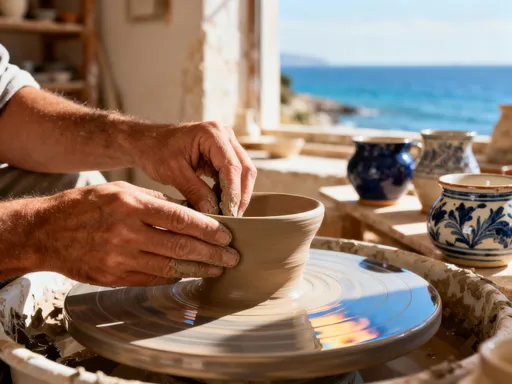
Wander just a few steps from the main promenades, and you’ll find cobblestone alleys lined with unassuming doorways leading to intimate studios. Here, time slows. A master ceramist shapes clay with the same gestures passed down from her grandmother. A perfumer measures essential oils with precision, guided by the scent memory of coastal herbs. These spaces are not museums—they are living workshops, where tradition is not preserved behind glass but actively practiced. The significance of these crafts extends beyond aesthetics; they are acts of cultural preservation in a principality that could easily be swallowed by its own reputation for extravagance.
What makes these artisans remarkable is not only their technical mastery but also their resistance to commercial homogenization. While luxury retail on Boulevard des Moulins offers designer labels from Paris to Milan, the local makers of Monte Carlo offer something rarer: originality rooted in place. Their work reflects the light of the Mediterranean, the rhythm of the tides, and the quiet dignity of a community that values quality over quantity. For the discerning traveler—particularly those who appreciate the care behind handmade objects—these workshops offer a richer, more meaningful kind of luxury.
Moreover, supporting these crafts is a form of mindful tourism. It means choosing to engage with a destination not as a passive observer but as a respectful participant. It means valuing the person behind the product, understanding their process, and recognizing the time invested in each creation. In an era when travel often feels transactional, these experiences restore a sense of human connection. They remind us that beauty is not only seen but felt, and that the most lasting souvenirs are not bought but earned through genuine encounter.
The Art of Monégasque Perfumery: Scent as Heritage
In the hills above Monte Carlo, where wild thyme carpets the slopes and lemon trees perfume the air, a quiet revolution in fragrance is unfolding. Local perfumers are redefining what it means to capture the essence of the Riviera—not through synthetic replication, but through the careful distillation of native botanicals. These artisans do not mass-produce; instead, they create limited batches, often by hand, using methods that honor both French perfumery traditions and Monegasque terroir. The result is a collection of scents that are not merely pleasant, but deeply evocative—each one a sensory postcard from the Mediterranean coast.
The process begins with sourcing. Ingredients like bergamot from Menton, rosemary from the foothills, and mimosa from nearby valleys are harvested at peak season, ensuring maximum aromatic intensity. Some perfumers maintain small gardens or collaborate with local farmers to ensure sustainability and traceability. Once collected, the botanicals undergo slow extraction methods—such as steam distillation or enfleurage—to preserve their delicate olfactory profiles. This attention to detail sets Monégasque perfumery apart from commercial fragrance houses, where speed and scalability often compromise quality.
What truly distinguishes these perfumers is their emphasis on personalization. Many offer bespoke scent consultations, where clients work alongside the artisan to develop a fragrance that reflects their personality or memories. Is there a particular flower that reminds you of childhood summers? A citrus grove visited on a family trip? These emotional cues become the foundation of a custom blend. The experience is intimate, almost meditative, as you inhale test strips and discuss notes of sea salt, fig, or vetiver. By the end, you don’t just own a perfume—you carry a story, uniquely yours.
These fragrances are more than luxury items; they are olfactory heirlooms. A bottle of hand-poured eau de toilette, sealed with wax and labeled in calligraphy, becomes a tangible link to a place and a moment. For families traveling together, the act of creating a shared scent—perhaps one that captures the scent of a seaside walk or a garden at dusk—can become a cherished ritual. And because production is small-scale, each bottle feels exclusive, not because of a brand name, but because of the care embedded in its making.
Handcrafted Ceramics That Capture the Mediterranean Light
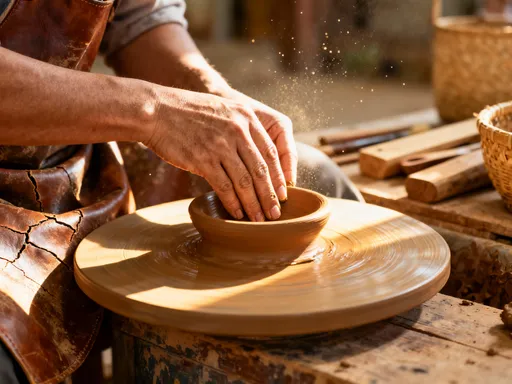
Nestled in the old quarter of Monaco-Ville, a family-run ceramic studio has been shaping clay into art for over six decades. The current generation, led by sisters Claire and Élodie, continues the legacy begun by their grandfather, who apprenticed in Vallauris before settling in Monaco. Their workshop, tucked behind a weathered wooden door, is a sanctuary of texture and color. Shelves overflow with plates glazed in hues that mirror the sea at different times of day—cerulean at noon, lavender at dusk, deep indigo under moonlight. Each piece is unique, bearing the subtle fingerprints of its maker and the natural variations of hand-applied glaze.
The sisters draw inspiration directly from their surroundings. They speak of the way sunlight dances on the waves, how shadows fall across limestone walls, and how the sky shifts from pale gold to rose during sunset. These observations inform their palette and forms. A wide bowl might be layered with translucent blues and greens to evoke underwater light, while a set of tea cups could feature delicate crackle glazes reminiscent of sun-baked earth. Even the shapes—organic, slightly asymmetrical—echo the contours of the coastline.
What sets their work apart is the use of traditional techniques, including wood-fired kilns that impart unpredictable, flame-kissed finishes. Unlike electric kilns, which offer consistency, wood firing introduces an element of chance—each piece emerges with its own character, marked by ash deposits, flame paths, and subtle color shifts. The artisans embrace this unpredictability, seeing it as a metaphor for life: imperfect, evolving, and beautiful because of its flaws.
Visitors are welcome to tour the studio and even participate in workshops. These hands-on sessions, offered on weekend mornings, allow guests to shape their own small piece under gentle guidance. It’s not about perfection—it’s about presence. Feeling the cool, pliable clay, learning to center it on the wheel, and understanding the patience required to create something lasting—these are experiences that linger long after the firing is complete. For mothers and daughters traveling together, or friends seeking a meaningful shared activity, the workshop offers a rare opportunity to create something tangible and personal.
Practical information: The studio is open Wednesday through Saturday, 10 a.m. to 5 p.m. Appointments are recommended, especially during peak season. While purchases range from €40 for a hand-painted spoon to €300 for a large platter, many find the true value lies in the story behind each piece. And because the studio does not sell online, every item carries the weight of a personal encounter—a decision made in person, with intention.
Luxury Watches with a Monegasque Touch
While Switzerland may dominate the global watchmaking industry, Monte Carlo has quietly cultivated its own niche in horological artistry. Hidden within a discreet boutique near Place du Casino, a micro-atelier of master watchmakers creates timepieces that blend precision engineering with Monegasque symbolism. These are not off-the-shelf luxury watches, but bespoke creations—each one designed in collaboration with the client, reflecting personal tastes, family heritage, or significant life events. With some artisans producing only 10 to 15 watches per year, exclusivity is not a marketing claim but a fact of craftsmanship.
The design process is deeply collaborative. Clients begin with a consultation, discussing everything from preferred complications—such as moon phase indicators or tidal dials—to aesthetic details like dial color, strap material, and engraving. Some request motifs inspired by Monaco’s naval history: compass roses, anchor chains, or wave patterns etched into the metal. Others draw from the Grand Prix, incorporating racing-inspired chronographs or red accents reminiscent of Ferrari. The result is a watch that is not merely a tool for telling time, but a wearable heirloom, rich with meaning.
What makes these timepieces exceptional is the fusion of art and science. Each movement is assembled by hand, with components polished and adjusted to microscopic tolerances. The watchmakers, many trained in Geneva, bring decades of experience to their work, yet they remain open to innovation—integrating sustainable materials, such as recycled gold or plant-based dials, when requested. This balance of tradition and modernity reflects Monaco itself: a place that honors its past while embracing the future.
For many clients, the experience of co-creating a watch becomes a journey in itself. Follow-up visits to track progress, the moment of first seeing the prototype, and the final handover—these moments are imbued with anticipation and pride. Some commission watches as gifts: a father marking his daughter’s graduation, a couple celebrating a milestone anniversary. The emotional resonance of such pieces cannot be overstated. Unlike a store-bought luxury item, a handmade watch carries intention, memory, and a direct connection to the artisan who built it.
Artisan Chocolates: Where French Pastry Meets Monégasque Flair
On a quiet street near the Monaco Cathedral, an unmarked door leads to a chocolate atelier that has been perfecting its craft since 1952. Run by the Moreau family, this workshop is a temple of flavor, where single-origin cocoa beans are transformed into delicate confections by hand. The scent alone—rich, floral, slightly fruity—draws visitors inside. But it’s the taste that surprises: a dark chocolate truffle infused with local olive oil and a hint of rosemary, or a milk chocolate shell filled with honey from Monaco’s rooftop beehives. These are not ordinary sweets; they are expressions of the region’s terroir, where Mediterranean ingredients meet French pastry precision.
The bean-to-bar process begins with sourcing. The Moreaus work directly with farms in Madagascar, Venezuela, and Ghana, selecting beans based on flavor profile rather than cost. Once delivered, the beans are roasted in small batches, cracked, winnowed, and ground into cocoa mass. This labor-intensive method ensures maximum freshness and depth of flavor. The chocolate is then conched—refined for hours—to achieve a velvety texture. Finally, it is tempered by hand, a delicate process that gives the finished pieces their signature shine and snap.
What sets these chocolates apart is their seasonal creativity. During the Monaco Yacht Show, the atelier releases a limited collection featuring sea salt and citrus notes, inspired by the ocean air. At Christmas, they craft intricate designs shaped like palm trees, yachts, or the Prince’s Palace, each hand-painted with edible gold. These collections are not mass-produced; once sold out, they are gone until the next year. For families, purchasing a box becomes a tradition—a small luxury to share during a holiday meal or to send as a heartfelt gift.
Visitors are encouraged to book a tasting session, where they can sample five to seven varieties while learning about the origins and production process. The experience is educational but never formal; the Moreaus speak with warmth and pride, happy to answer questions or share stories about their craft. For children, it’s a delight; for adults, a reminder that indulgence can be both beautiful and meaningful. And because the workshop avoids artificial preservatives and excessive sugar, even those with refined palates find the flavors balanced and sophisticated.
Navigating the Niche: How to Find These Makers Without Getting Lost
Finding these hidden ateliers requires a shift in mindset—from checklist tourism to curious exploration. They are not marked on standard tourist maps, nor do they rely on online advertising. Instead, they thrive through word of mouth, local recommendations, and the quiet persistence of those who value authenticity. The good news is that Monte Carlo, though glamorous, is small and walkable. With a little planning and an open spirit, even first-time visitors can uncover these treasures.
Start by engaging with local concierges—not just at five-star hotels, but at smaller guesthouses and cultural centers. Many have personal connections to artisans and are happy to provide addresses or even make introductions. Another strategy is to visit during off-peak hours, such as late morning or early afternoon, when workshops are less crowded and makers are more available for conversation. Avoid treating these spaces as photo opportunities; instead, approach with respect, ask thoughtful questions, and allow time for genuine interaction.
Transportation is straightforward. The Monte Carlo Bus 100 connects major districts and stops near the old town, making it easy to explore on foot. Alternatively, the free public elevators from the Port Hercules area lead directly to Monaco-Ville, where several studios are located. For those with mobility concerns, many artisans are willing to accommodate advance appointments to ensure accessibility.
Language should not be a barrier. While French is the primary language, most artisans speak basic English and appreciate any effort to communicate in French. Simple phrases like “Je voudrais voir vos créations” (“I would like to see your creations”) go a long way. And if you’re unsure how to pronounce a word, a smile and a polite gesture often suffice. The culture here values courtesy and patience, and these qualities are reciprocated.
When visiting, remember that these are working studios, not retail stores. Photography may be restricted, especially during active production. Always ask before taking pictures. Purchasing is welcome, but not expected. Some visitors simply come to observe, to learn, to be inspired—and that is enough. The goal is not consumption, but connection.
Why These Experiences Redefine Luxury Travel
In the end, what makes these artisan experiences so powerful is their ability to transform the way we travel. They shift the focus from acquisition to engagement, from spectacle to substance. A hand-poured perfume, a ceramic bowl shaped by generations, a watch designed with personal meaning—these are not mere souvenirs. They are emblems of presence, testaments to the value of time, skill, and intention. In a world that often feels rushed and impersonal, they offer a counter-narrative: that the most meaningful moments are those we slow down to create.
True luxury, as these makers demonstrate, is not defined by price tags or brand names. It is found in authenticity, in the story behind an object, in the human hands that shaped it. It is in the quiet pride of a perfumer selecting wild herbs, the专注 of a watchmaker adjusting a gear, the joy of a visitor shaping clay for the first time. These moments cannot be rushed or replicated. They must be sought, with curiosity and respect.
For the 30- to 55-year-old woman—perhaps a mother, a traveler, a seeker of beauty and meaning—these experiences resonate deeply. They speak to a desire for connection, for things that last, for beauty that is earned rather than bought. They affirm that travel can be more than escape; it can be enrichment. And they remind us that wherever we go, the most rewarding discoveries are often hidden in plain sight, waiting for those who look beyond the obvious.
So the next time you plan a trip—whether to Monte Carlo or any destination—ask yourself: who makes things here? Who preserves tradition? Who creates with care? Seek them out. Listen to their stories. Let their craftsmanship inspire your own appreciation for the handmade, the heartfelt, the enduring. Because in the end, the world’s greatest luxuries are not found in stores, but in the quiet studios where passion meets purpose.