You Won’t Believe These Hidden Hiking Trails in Cologne’s City Districts
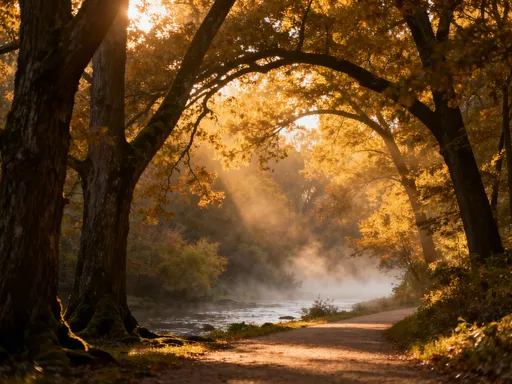
Who knew hiking in a city could feel like stepping into a secret green world? In Cologne, Germany, I discovered peaceful trails winding through vibrant neighborhoods, each with its own charm. From riverside paths to forested hills just minutes from downtown, these urban escapes are absolutely stunning. It’s not just about walking—it’s about experiencing the city’s soul, one step at a time. What makes Cologne truly special is how effortlessly it blends nature and urban life. You don’t need to leave the city to find serenity; you just need to know where to look. These hidden trails offer a refreshing alternative to crowded tourist routes, revealing a quieter, greener side of one of Germany’s most dynamic cities.
Why Urban Hiking in Cologne Makes Perfect Sense
Urban hiking is more than a trend—it’s a mindful way to explore a city beyond its postcard sights. In Cologne, this form of slow travel is uniquely rewarding. The city’s layout, shaped by the winding Rhine River and decades of thoughtful urban planning, creates a network of green corridors that connect neighborhoods with nature. Unlike traditional sightseeing, which often feels rushed and detached, walking through city districts allows visitors and locals alike to engage with daily life, hear street musicians, smell fresh bread from corner bakeries, and witness how communities thrive.
Cologne’s geography plays a crucial role in making urban hiking accessible. The Rhine River acts as a natural spine, flanked by continuous promenades and parks that stretch for kilometers. Parallel to this are green belts like the Grüngürtel, which wrap around the city like a leafy embrace. These spaces were originally designed in the early 20th century to preserve open land amid urban expansion, and today they serve as vital pathways for pedestrians and cyclists. Thanks to Cologne’s excellent public transportation system, hikers can easily start or end a walk at any U-Bahn or S-Bahn station, making point-to-point hikes both flexible and stress-free.
Moreover, urban hiking in Cologne fosters a deeper connection with the city’s rhythm. Instead of viewing landmarks from a distance, walkers experience them in context—seeing how the cathedral towers over morning commuters, or how a quiet park becomes a hub of laughter during lunch breaks. This immersive perspective transforms the city from a destination into a living, breathing environment. Whether you’re a resident rediscovering your neighborhood or a visitor seeking authenticity, urban hiking offers a richer, more personal way to travel.
Deutz & the Rhine Promenade: A Lively Kickoff
One of the most energizing places to begin an urban hike is Deutz, located on the east bank of the Rhine. Directly across from the famous Cologne Cathedral, this district offers an immediate sense of arrival. The Rhine Promenade here is wide, well-maintained, and alive with activity. Joggers weave through dog walkers, cyclists glide along dedicated lanes, and tourists pause to capture the iconic skyline. The atmosphere is vibrant yet relaxed, making it an ideal starting point for hikers of all levels.
Walking north along the promenade, you’ll soon reach the Hohenzollern Bridge, a key landmark that connects Deutz to the city center. This busy pedestrian and rail bridge is famous for its thousands of love locks, which cling to the railings like ivy. While some cities have removed such displays, Cologne has embraced them as part of its romantic identity. Pausing here to watch boats glide down the river or to see the cathedral glow at sunset is a small but powerful moment of connection. For many, this bridge symbolizes not just a physical crossing, but an emotional one—between the urban and the personal.
After crossing, you can loop back along the west bank or continue south for a longer hike. Either way, the promenade remains a constant companion. Along the way, small kiosks and cafés offer refreshments—think fresh lemonade, ice cream, or a warm pretzel with mustard. These simple pleasures enhance the walking experience, turning a hike into a full sensory journey. The combination of city views, river breezes, and human energy makes Deutz and the Rhine Promenade an unforgettable kickoff to any urban trail adventure.
Rodenkirchen: Where Nature Meets Neighborhood Charm
As you move south along the Rhine, the pace begins to slow. Rodenkirchen, a residential district with a strong local identity, offers a quieter contrast to the bustle of central Cologne. Here, the riverside paths are lined with mature trees, their canopies forming a natural tunnel in summer. Families stroll with strollers, older couples sit on benches reading newspapers, and children play in well-kept parks like Rheinpark Rodenkirchen. The atmosphere is one of calm and continuity, a reminder that cities can be both lively and restful.
One of the highlights of hiking through Rodenkirchen is the sense of discovery. While the main promenade is easy to follow, branching off into side streets reveals hidden footpaths and small green spaces tucked between homes. Some of these routes lead down to quiet riverbanks where you can sit and watch the water without another person in sight. At sunset, the light reflects off the Rhine in golden ripples, creating a peaceful spectacle that feels worlds away from the city center.
The district also boasts a strong café culture. Local spots like family-run bakeries and neighborhood bistros welcome walkers with outdoor seating and homemade treats. Stopping for a coffee or a slice of apple cake becomes more than a break—it’s a chance to observe daily life and recharge in comfort. Rodenkirchen proves that urban hiking doesn’t have to mean rugged trails or remote locations. Sometimes, the most rewarding walks are through places where people live, work, and relax, offering a genuine glimpse into Cologne’s community spirit.
The Grüngürtel: Cologne’s Green Belt Surprise
If Rodenkirchen offers quiet charm, the Grüngürtel delivers a true nature escape—within city limits. This 50-kilometer green belt encircles Cologne, connecting parks, woodlands, and recreational areas in a continuous loop. Originally conceived in the 1940s as a buffer against urban sprawl, the Grüngürtel has evolved into one of the city’s most valuable assets for outdoor activity. It’s not a single trail, but a network of paths that wind through forests, meadows, and wetlands, offering hikers a sense of seclusion despite being just minutes from busy streets.
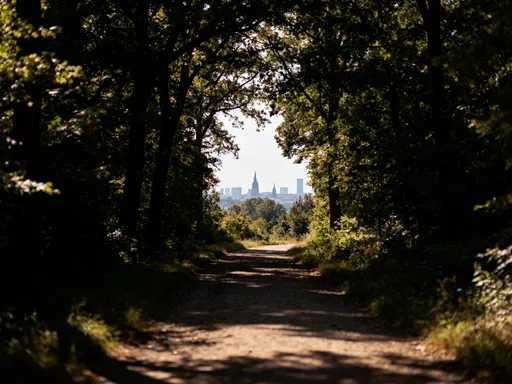
One of the most accessible entry points is near Bayenthal, where the trail cuts through a dense beech forest. The air here feels cooler, the sounds of traffic fade, and birdsong becomes the dominant soundtrack. Path surfaces vary—from packed gravel to soft earth—adding variety to the walking experience. Cyclists share the route but at a respectful pace, and signage is clear, making navigation easy even for first-time visitors.
Further west, near Sülz, the Grüngürtel passes through more open landscapes, including sports fields and community gardens. This section highlights the belt’s dual role: it’s both a wildlife corridor and a social space. You might see a school group on a nature walk, a dog training class, or neighbors chatting in a shared garden. These interactions remind hikers that urban nature isn’t just about scenery—it’s about people too.
The full loop of the Grüngürtel can be hiked in segments, making it perfect for weekly explorers. Whether you walk 3 kilometers or 15, the sense of immersion remains strong. For families, it’s a safe, engaging environment for children to learn about plants and animals. For solo hikers, it’s a place for reflection and reconnection. The Grüngürtel stands as a testament to Cologne’s long-term vision for livable, green urban spaces.
Ehrenfeld: Urban Edge with Raw, Authentic Flair
Not all urban hikes need to be serene. Ehrenfeld, a district known for its alternative culture and creative energy, offers a different kind of trail experience—one where industry, art, and greenery collide. Once a working-class neighborhood with factories and railways, Ehrenfeld has transformed into a hub of innovation and diversity. Its walking paths often follow repurposed infrastructure, such as old railway lines turned into green corridors, blending history with modern urban design.
One standout route is the Grüngürtel’s northern stretch as it passes through Ehrenfeld. Here, the trail is lined with graffiti art, some commissioned, some spontaneous. Murals depict everything from abstract patterns to social messages, adding a dynamic visual layer to the walk. Nearby, the Friesenplatz market buzzes with international food stalls, offering flavors from Turkey, Syria, Vietnam, and beyond. This multicultural energy spills into the streets, making every hike through Ehrenfeld a journey through cultures as much as landscapes.
Side streets reveal even more character. You’ll pass independent bookshops, vintage clothing stores, and pop-up galleries housed in former warehouses. These spaces reflect the district’s DIY spirit, where creativity thrives in unexpected places. The contrast between crumbling brick walls and blooming window boxes, between industrial noise and birdsong in a hidden courtyard, creates a uniquely urban poetry.
Hiking in Ehrenfeld is not about escaping the city—it’s about embracing its complexity. It’s a reminder that beauty and meaning can be found in imperfection, in transformation, in the spaces between what was and what’s being built. For walkers who appreciate authenticity over polish, Ehrenfeld delivers a powerful, unforgettable experience.
Nippes & Longer Loops: Extending Your Journey
For those seeking longer hikes, Nippes offers excellent route options that connect seamlessly with other districts. Located northwest of the city center, Nippes is a largely residential area with a strong neighborhood feel. Its streets are lined with trees, and small parks dot the landscape, making it pleasant to walk even on warmer days. The district links directly to the Rhine Promenade and the Grüngürtel, allowing for extended loops that can range from 8 to 15 kilometers.
One popular route starts at Nippes’ Rheinpark, follows the river north, then cuts inland through quiet streets before rejoining the Grüngürtel near Chorweiler. This loop combines river views, urban greenery, and forested paths, offering variety in scenery and pace. Trail surfaces are mostly even, with paved paths along the river and compacted gravel in the green belt, making it suitable for comfortable walking shoes rather than heavy hiking boots.
Another option is a circular hike that begins in Nippes, passes through Weiden, and returns via the Cologne Zoo and Rudolfplatz. This urban-focused route highlights the city’s architectural diversity, from postwar buildings to restored historic facades. Along the way, there are plenty of cafes, restrooms, and seating areas, making it ideal for families or older hikers who prefer frequent breaks.
What makes Nippes special is its flexibility. Walkers can adjust their route based on time, energy, and interest. Digital maps and city signage make navigation straightforward, and public transit stops are never far away. Whether you’re completing a full loop or just exploring a segment, Nippes exemplifies how urban hiking can be both adventurous and accessible.
Practical Tips & Final Thoughts on City Hiking Done Right
To get the most out of urban hiking in Cologne, a few practical considerations can make a big difference. First, timing matters. Early mornings and weekdays tend to be quieter, especially along popular routes like the Rhine Promenade. Weekends bring more people, but also more energy—ideal for those who enjoy a lively atmosphere. Spring and autumn offer the most pleasant temperatures, while summer can be warm but shaded in forested areas like the Grüngürtel.
Footwear should be comfortable and supportive. While rugged boots aren’t necessary, good walking shoes with cushioning are recommended, especially for hikes over 10 kilometers. A small backpack with water, sunscreen, a light jacket, and a map or smartphone is all you need. Cologne’s trails are well-marked, but having a digital map app can help with route planning and real-time navigation.
Weather preparation is also key. The city’s climate is temperate, but rain can appear suddenly. A compact umbrella or lightweight raincoat is a wise addition. Safety is generally excellent—Cologne is a walkable, well-lit city with low crime in residential and park areas. Still, it’s always wise to stay aware, especially when walking alone or after dark.
Ultimately, urban hiking in Cologne is about more than physical activity. It’s a way to slow down, to notice details, to connect with a city on a human scale. These hidden trails—whether along the Rhine, through the Grüngürtel, or in vibrant districts like Ehrenfeld and Nippes—invite us to see urban life not as something to escape, but as something to explore with curiosity and care. In a world that often feels rushed and disconnected, walking through Cologne’s city districts offers a quiet revolution: the simple act of moving slowly, observing deeply, and discovering joy in the everyday. So lace up your shoes, step outside, and let the city guide your next adventure—one step at a time.