You Won’t Believe What Bamako’s Hidden Spots Are Hiding
Bamako, Mali—more than just a capital, it’s a rhythm of life. I walked its streets not as a tourist, but as someone chasing real moments. From sun-drenched markets to riverside hangouts where music never sleeps, I discovered leisure here isn’t about luxury—it’s raw, alive, and deeply human. This is an immersive journey into Bamako’s truest leisure venues, where every corner tells a story and connection beats comfort.
The Pulse of the City: Understanding Bamako’s Leisure Culture
Leisure in Bamako is not measured in spa treatments or five-star resorts, but in shared laughter, the strum of a kora, and the warmth of community. Unlike the structured downtime common in Western societies—where relaxation often means solitude, silence, or scheduled activities—Bamako’s version of rest is communal, vibrant, and deeply rooted in tradition. Here, free time is not an escape from life but a celebration of it. The Malian concept of leisure revolves around presence: being with others, listening, participating, and moving through the day with intention rather than haste.
This cultural rhythm is shaped by history, climate, and social values. With high daytime temperatures and a strong agricultural heritage, daily life in Bamako follows a natural ebb and flow. Mornings are for errands and work; afternoons are reserved for rest, especially during the hottest hours; and evenings become the prime time for socializing, music, and movement. It is during these twilight hours that the city truly awakens—not with neon lights or loud nightlife, but with the soft hum of conversation, the crackle of street food grills, and the steady pulse of djembe drums echoing through open courtyards and public squares.
For visitors, this means that leisure is not something you book or buy—it’s something you step into. There are no tickets required, no exclusive memberships, and no VIP sections. Instead, the invitation is open-ended and inclusive. Whether you’re sitting on a low wooden stool at a tea stall or standing at the edge of a spontaneous dance circle, you are welcome, as long as you approach with respect and openness. The emotional reward is profound: a sense of belonging, even if only for an evening. This is not performative culture for tourists—it is lived, authentic, and generously shared.
Riverside Retreats: Life Along the Niger
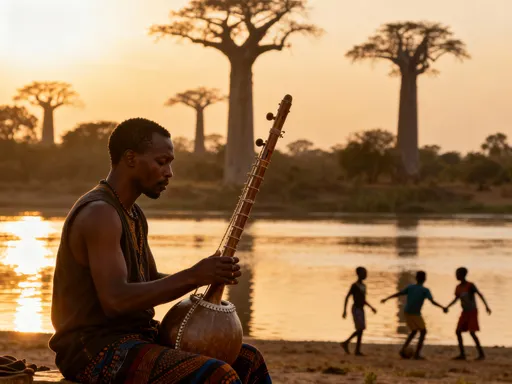
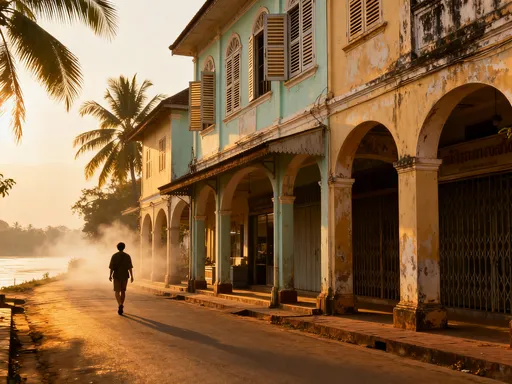
The Niger River is the lifeblood of Bamako, winding through the city like a ribbon of calm in an otherwise bustling urban landscape. More than just a geographic feature, it serves as the city’s most beloved leisure space—a place where people come not to escape nature, but to reconnect with it and with each other. As the sun begins to dip below the western hills, families, friends, and couples make their way to the riverbanks, claiming small patches of sand or shaded grass to settle in for the evening. These gatherings are unstructured, unhurried, and deeply satisfying.
Popular public riverbanks, such as those near the King Fahd Bridge or along the quieter stretches south of the city center, become informal parks where laughter mingles with the gentle lapping of water. Children splash in shallow edges while elders sit nearby, watching with quiet pride. Fishermen cast their lines with practiced ease, not always for sustenance but for the meditative rhythm of the act itself. Some bring picnic baskets filled with millet bread, grilled fish, and fresh mangoes; others simply come to sit, breathe, and observe the sky change color. There are no admission fees, no commercial vendors crowding the shore, and no loud music—just the natural soundtrack of life unfolding.
For travelers, these riverside spaces offer a rare opportunity to experience Mali’s soul without spectacle. You won’t find guided tours or marked trails, but you will find authenticity. The absence of commercialization is not a lack—it is a gift. It allows visitors to witness how locals find joy in simplicity: a shared meal, a quiet moment, a child’s giggle carried on the breeze. The river teaches a quiet lesson: that rest does not require luxury, and happiness often flourishes in stillness. To sit by the Niger at dusk is to understand that in Bamako, leisure is not about doing, but about being.
Markets That Move: More Than Shopping in Bamako
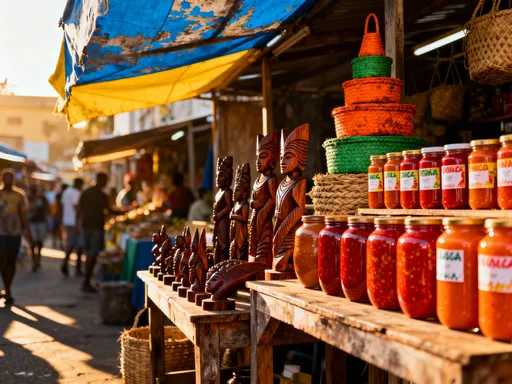
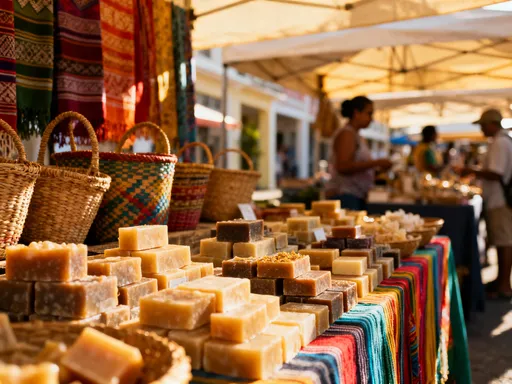
If the river is Bamako’s breath, then its markets are its heartbeat. The Grand Marché, the city’s largest and most famous marketplace, is far more than a place to buy goods—it is a living, breathing ecosystem of social interaction, sensory delight, and urban leisure. From dawn until late afternoon, the market pulses with energy: vendors call out their wares, motorbikes weave through narrow alleys, and the air is thick with the scent of dried fish, smoked paprika, and handwoven cotton. But beyond commerce, the market functions as a stage for daily life, where shopping blends seamlessly with storytelling, snacking, and spontaneous connection.
Walking through the Grand Marché is not a passive experience—it is an immersion. Every turn reveals a new scene: a woman balancing a basket of okra on her head, a group of men sipping tea under a tarpaulin canopy, a tailor humming as he stitches a boubou by hand. The market is not organized for tourist convenience; its chaos is part of its charm. Yet within that apparent disorder lies a deep order—one built on familiarity, trust, and routine. Locals know which stall has the best shea butter, which vendor offers fair prices, and where to find the sweetest dates.
For visitors, navigating this space becomes a form of urban leisure in itself. It is not about purchasing souvenirs, though beautiful crafts and textiles are abundant. It is about slowing down, observing, and allowing oneself to be drawn into the rhythm. Stopping for a glass of bissap juice at a roadside stall, watching a haggling session unfold, or accepting an invitation to taste a sample of peanut paste—these are the moments that define the experience. The market does not cater to passive observers; it rewards participation. And in that participation, travelers discover that leisure in Bamako is not separate from daily life—it is woven into its very fabric.
Music as a Leisure Language: Where the City Dances
In Bamako, music is not entertainment—it is language. It is how people express joy, sorrow, history, and identity. It is played in homes, in taxis, in shops, and on street corners, but most powerfully, it is shared in communal spaces where sound becomes a bridge between strangers. Live music is not confined to concert halls or nightclubs; it spills into open-air bars, cultural centers, and public squares, transforming ordinary evenings into impromptu celebrations. The kora, a 21-stringed harp-lute, weaves melodic stories; the balafon, a wooden xylophone, adds bright, cascading notes; and the djembe, a goblet-shaped drum, drives the rhythm that moves feet and hearts alike.
One of the most accessible places to experience this musical culture is at local performance spaces, such as the Institut Français de Bamako, which regularly hosts concerts featuring both traditional and contemporary Malian artists. These events are not formal affairs—audiences sit on folding chairs or stand at the back, clapping along, dancing when moved, and responding to performers with calls of appreciation. There is no barrier between stage and crowd; the music is meant to be felt, not just heard. Other venues, like small outdoor bars near the river or community centers in residential neighborhoods, offer even more intimate settings where music flows as naturally as conversation.
For travelers, joining these musical moments is one of the most authentic ways to engage with Bamako’s leisure culture. You don’t need to know the lyrics or the dance steps—only to be present. Locals often welcome newcomers into the circle, guiding them with a smile or a hand gesture. Dancing here is not about perfection; it is about release, connection, and joy. In these spaces, music functions as a form of communal relaxation, a way to unwind not by retreating inward, but by reaching outward. It is a reminder that in Mali, leisure is not solitary—it is shared, rhythmic, and alive.
Green Escapes: Parks and Urban Oases
Amid the dust and dynamism of Bamako’s streets, green spaces offer pockets of peace and respite. While the city may not be known for sprawling parks like those in European capitals, it does have several public areas where nature and community intersect. These urban oases—ranging from modest neighborhood gardens to larger recreational zones—are vital to city life, especially during the long, hot months when shade is a luxury and open space a necessity. Families gather under the broad canopies of baobab and neem trees, children chase each other across grassy fields, and friends meet to play football, chat, or simply rest.
One such example is the Parc de la Paix, a public garden that combines natural beauty with cultural significance. Paths wind through flowering shrubs and tall palms, leading to quiet benches and small fountains. Statues and monuments dot the landscape, honoring Malian history and heritage. On weekends, the park becomes a hub of activity: couples stroll hand in hand, elders practice tai chi-like movements, and teenagers gather in groups, laughing and sharing snacks. Unlike more commercialized spaces, there are no amusement rides or fast-food chains—just the simple pleasures of open air and human connection.
Other green areas, such as smaller neighborhood parks or tree-lined avenues near residential districts, serve similar functions on a more intimate scale. These spaces are not manicured for tourism; they are used, loved, and lived in. You might see a man napping on a bench, a woman reading the Quran under a tree, or a group of boys playing a spirited game of pickup football with a ball made of tied-together plastic bags. These moments are not staged—they are real, unfiltered glimpses into how Bamako’s residents find calm amidst the city’s energy. For visitors, spending time in these parks offers a slower, more reflective side of leisure—one that values stillness, nature, and the simple act of being together.
Café Culture: Slowing Down the Malian Way
In a world that often equates productivity with worth, Bamako’s café culture stands as a quiet rebellion. Here, time is not spent efficiently—it is savored. The ritual of drinking tea, especially the traditional Malian mint tea known as *ataya*, is one of the most profound expressions of leisure in the city. More than a beverage, it is a social ceremony, a declaration of presence, and a gesture of hospitality. The preparation alone can take up to thirty minutes: green tea leaves boiled with fresh mint and a generous amount of sugar, poured from a height to create a frothy top, and served in small glasses in sets of three—each with its own meaning: the first is bitter like life, the second is sweet like love, the third is soft like death.
Street-side tea stalls, often no more than a metal table and a few stools, are found throughout the city. Men, and increasingly women, gather here not to rush, but to linger. Conversations stretch across hours, covering everything from politics to family news to jokes that circle back again and again. The same glass may be refilled multiple times, not because of thirst, but because the moment is not yet complete. These spaces are democratic—anyone can sit, regardless of status or wealth. A businessman in a suit shares space with a student in a t-shirt, both united by the rhythm of the brew.
Modest cafés, often with ceiling fans and plastic chairs, offer a similar pace. Coffee is available, but tea reigns supreme. The atmosphere is unhurried, the service unobtrusive. There is no pressure to order more or to make room for others. Time moves differently here—slower, deeper, more intentional. For travelers, participating in this ritual is one of the most meaningful ways to experience Malian hospitality. Accepting a glass of *ataya* is not just accepting a drink; it is accepting an invitation to pause, to listen, and to connect. In a single tea session, you may not speak the same language, but you will understand something far more important: the value of presence.
Choosing Your Moments: A Practical Guide to Immersive Leisure
To truly experience Bamako’s leisure culture, timing and approach matter. The city operates on its own rhythm, and aligning with it increases the chances of meaningful connection. Late afternoons and evenings are the most vibrant times for social life, especially from 5:00 PM onward. This is when the heat begins to fade, families leave their homes, and public spaces come alive. Mornings, while active, are often reserved for work and errands, so leisure opportunities are more limited. Weekends, particularly Sundays, are especially rich for cultural experiences, as many locals have time to gather, celebrate, and relax.
Dress modestly and respectfully, especially in public and religious spaces. Lightweight cotton clothing in neutral or earth tones blends in well and is practical for the climate. Avoid overly touristy attire, such as fanny packs or loud slogans, which can create distance. A simple greeting in Bambara—such as “I ni so?” (How are you?)—goes a long way in opening doors. Smiles are universal, but a few shared words signal genuine interest and respect.
When visiting markets, riverside areas, or cultural events, observe before engaging. Let yourself be a quiet participant at first—watch how locals interact, where they sit, how they greet one another. If invited to join a tea circle or a dance, accept with gratitude. These invitations are not casual; they are gestures of inclusion. Carry small bills for purchases and tips, and always ask permission before taking photographs. Most importantly, let go of rigid plans. The most memorable moments in Bamako happen unexpectedly: a shared meal with strangers, a spontaneous drumming session, a sunset seen from a quiet riverbank. By embracing flexibility and openness, travelers move from observation to participation—and that is where the real journey begins.
Respecting local norms also means understanding that leisure here is not performative. There is no need to document every moment or seek out “Instagrammable” spots. The beauty of Bamako lies in its authenticity, its lack of pretense. By slowing down, listening, and allowing oneself to be present, visitors do not just see the city—they feel it. And in that feeling, they discover a different way of resting, one rooted not in escape, but in connection.