You Won’t Believe What I Found at Machu Picchu
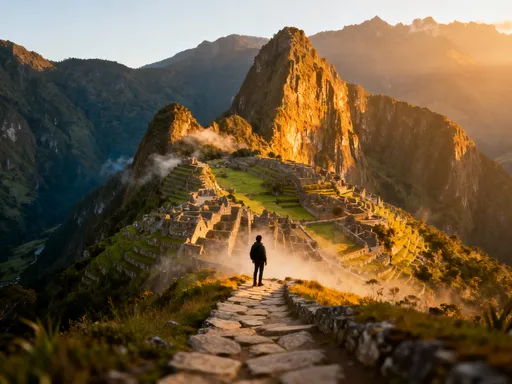
Standing high in the Peruvian Andes, Machu Picchu isn’t just ruins on a mountain—it’s nature and history hugging each other. When the morning mist lifts over the stone temples, revealing jagged peaks and endless green valleys, you feel it: this place is alive. I came for the ancient mystery, but stayed for the breathtaking natural beauty that surrounds every path. It’s more than a destination. It’s an experience that changes how you see the world.
The Journey Begins: How to Reach the Lost City
Getting to Machu Picchu is part of the adventure, a journey that unfolds through dramatic mountain passes, quiet Andean villages, and lush river valleys. For most travelers, the trip begins in Cusco, the historic capital of the Inca Empire, perched at 11,150 feet above sea level. From here, several routes lead to the legendary citadel, each offering a different pace, perspective, and level of physical demand. The most popular and comfortable option is the train ride from Cusco or nearby Ollantaytambo to Aguas Calientes, the small town at the base of Machu Picchu. This scenic journey takes about three and a half hours and winds through the Sacred Valley, following the Urubamba River as it cuts through emerald-green hills and terraced farmland. Large windows offer panoramic views, and the gentle sway of the train makes it an ideal choice for families, older travelers, or anyone seeking a relaxed start.
For those drawn to a more immersive experience, hiking the Inca Trail remains a bucket-list achievement. This four-day trek covers roughly 26 miles of ancient pathways, stone staircases, and high mountain passes, culminating in a sunrise arrival at the Sun Gate, where the first full view of Machu Picchu unfolds. The trail is physically demanding, with the highest point reaching over 13,800 feet, so proper acclimatization in Cusco or the Sacred Valley is essential. Permits are required and limited to protect the site, so booking several months in advance is strongly recommended. The sense of accomplishment upon reaching the citadel after days of walking in the footsteps of the Incas is unmatched, making it a deeply personal and transformative journey.
Another increasingly popular alternative is the Salkantay Trek, a five- to six-day route that passes near the towering snow-capped peak of Mount Salkantay. Unlike the Inca Trail, this path is not an ancient roadway but offers equally stunning landscapes—glacial lakes, cloud forests, and alpine meadows. It’s less crowded and allows travelers to experience a broader range of Andean ecosystems. For budget-conscious adventurers, local buses and trains connect towns throughout the Sacred Valley, and it’s possible to take public transport from Cusco to Ollantaytambo, then board a regional train to Aguas Calientes. While this option requires more planning and patience, it offers a more authentic glimpse into daily Peruvian life.
Regardless of the route chosen, altitude is a factor that cannot be ignored. Many visitors experience mild symptoms such as shortness of breath, fatigue, or headaches, especially during the first few days. To minimize discomfort, experts recommend spending at least two nights in Cusco or the Sacred Valley before beginning any strenuous activity. Drinking coca tea, staying hydrated, and avoiding heavy meals can also help the body adjust. Packing essentials include layered clothing—mornings are cold, afternoons warm, and evenings chilly—sturdy hiking shoes, sunscreen, and a refillable water bottle. A small daypack with snacks, a rain jacket, and a camera ensures readiness for any condition. Choosing the right path to Machu Picchu depends on personal preference, physical fitness, and available time, but every route leads to the same awe-inspiring reward.
First Light: Experiencing the Magic of Early Morning at the Site
There is a special kind of stillness that descends over Machu Picchu in the early morning, a quiet that feels almost sacred. Most visitors arrive after 9 a.m., so those who enter at dawn are rewarded with near-empty pathways, soft golden light, and a sense of intimacy with the ancient stones. The air is crisp and carries the faint scent of damp earth and wildflowers. As the sun rises behind the eastern peaks, long shadows retreat from the terraces, and the first rays illuminate the Temple of the Sun, turning its curved walls a warm amber. This is the moment when the citadel feels most alive—not as a relic of the past, but as a living part of the mountain, breathing with the rhythm of nature.
Entering Machu Picchu at sunrise requires planning. The site opens at 6 a.m., and the earliest buses from Aguas Calientes begin running around 5:30 a.m. To secure a front-row seat on the bus or a good viewing spot at the Sun Gate, it’s wise to line up early. Some travelers choose to stay overnight in Aguas Calientes to avoid rushing, while others prefer a pre-dawn wake-up call from their hotel. The climb up the winding road to the entrance is quiet, with only the hum of the bus engine and the occasional chatter of fellow early risers. But once inside, the world seems to pause. The silence is broken only by the distant call of a mountain bird, the rustle of leaves in the wind, and the soft crunch of footsteps on gravel paths.
The visual transformation during sunrise is nothing short of magical. Fog rolls through the valleys like rivers of smoke, wrapping the lower terraces in mystery before slowly lifting to reveal the full grandeur of the site. From the Guardhouse, one of the highest viewpoints, the entire citadel spreads out below—a mosaic of stone buildings, plazas, and agricultural terraces framed by towering peaks. Huayna Picchu, the iconic peak that looms over the site, catches the light later, its steep cliffs glowing in the morning sun. Photographers find this the ideal time for capturing images with soft, even lighting and minimal crowds. But even for those without a camera, the experience is deeply moving. There is a sense of being present in a moment that few others witness, a fleeting connection to something ancient and profound.
Spending the first hour at Machu Picchu in solitude allows for reflection and appreciation. Many visitors sit quietly on a stone step, absorbing the atmosphere, while others walk slowly through the central plaza, touching the cool walls, reading the informational plaques, or simply gazing at the horizon. Guides often begin their tours later in the morning, so early arrivals have the rare opportunity to explore independently before the site fills with people. By 9 a.m., the energy shifts—groups arrive, voices grow louder, and the paths become busy. But those who have witnessed the dawn carry with them a private memory, a sense of having seen Machu Picchu not just with their eyes, but with their hearts.
Beyond the Ruins: The Natural Landscape That Cradles the Citadel
While Machu Picchu’s architecture draws global admiration, its true wonder lies in the harmony between human creation and the natural world. The citadel is not imposed on the landscape—it is woven into it. Perched on a narrow ridge between two peaks, surrounded by deep valleys and rushing rivers, the site was chosen with extraordinary care. The Incas did not flatten the mountain to fit their needs; instead, they shaped their buildings to follow the contours of the land, using natural rock formations as foundations and integrating water channels, agricultural terraces, and ceremonial spaces into the slope. This deep respect for nature is evident in every stone, stairway, and alignment.
The Andean mountain range, part of the larger Andes that stretch along South America’s western edge, provides a dramatic backdrop. To the east, the terrain drops sharply into cloud forest, where humidity nurtures a rich diversity of plant and animal life. The Urubamba River, known locally as the Vilcanota, snakes through the valley below, its waters carving the rock over millennia. The Incas recognized the river’s spiritual and practical importance, aligning certain temples to its flow and using its energy in their agricultural systems. Today, the sound of rushing water still echoes in the lower terraces, especially during the rainy season, adding to the site’s serene atmosphere.
One of the most impressive aspects of Machu Picchu’s design is its use of natural defenses. The steep cliffs on all sides made the site difficult to access, offering protection from invaders. The Incas enhanced this with man-made walls and gates, but the mountain itself was their first line of defense. Earthquakes are common in the region, yet many structures remain standing thanks to the Incas’ advanced engineering. Their trapezoidal doors, slightly inward-tilted walls, and flexible stone joints allowed buildings to sway without collapsing—a technique still studied by modern architects. The integration of natural springs into the city’s water supply system further demonstrates their deep understanding of the environment.
The agricultural terraces, which cascade down the slopes like giant stone steps, were not only functional but also symbolic. They prevented erosion, maximized arable land, and created microclimates for growing crops such as maize, potatoes, and quinoa. Some researchers believe these terraces also played a role in spiritual rituals, representing the connection between the earth, the people, and the gods. Today, while no longer used for large-scale farming, some terraces are maintained by park staff to preserve their appearance and prevent landslides. Walking among them, visitors can appreciate the ingenuity required to build and sustain a city in such a remote and challenging location. Machu Picchu is not just a testament to Incan architecture—it is a masterpiece of environmental harmony.
Hidden Corners: Less-Traveled Paths Within the Site
Most guided tours focus on the central plaza, the Temple of the Sun, and the Intihuatana stone—the most photographed and historically significant areas of Machu Picchu. While these sites are undoubtedly impressive, some of the most memorable moments come from exploring quieter, lesser-known sections of the citadel. These hidden corners offer solitude, stunning views, and a deeper sense of discovery. One such place is the Inca Drawbridge, a narrow wooden footbridge built into the cliffside near the northern end of the site. Only accessible during certain hours and with a special ticket, this path follows a steep trail carved into the rock, leading to a precarious bridge that once served as a strategic defense point. Standing at the edge, with the valley stretching far below, one can imagine Incan scouts watching for approaching enemies.
Another overlooked gem is the Temple of the Moon, located halfway up Huayna Picchu. This cave-like structure, nestled into a natural rock formation, is reached via a challenging hike that few attempt due to time or fitness constraints. Inside, intricate stonework and ceremonial niches suggest it was a place of spiritual importance, possibly dedicated to lunar worship. The journey itself is part of the experience—narrow staircases, steep drops, and dense vegetation create a sense of adventure. Those who make the climb are rewarded not only with the temple but also with panoramic views of the surrounding peaks and the winding Urubamba River.
The Guardhouse, also known as the Watchman’s Hut, is another quiet spot worth visiting. Perched at the highest accessible point within the main circuit, it offers one of the best vantage points for photographing the entire citadel. From here, the layout of Machu Picchu becomes clear—the separation between agricultural, residential, and religious zones, the precision of the stonework, and the way the buildings align with the surrounding peaks. Fewer visitors make the climb to this small three-windowed structure, making it an ideal place to pause and reflect. Nearby, the Principal Temple and the Three-Window Temple stand with quiet dignity, their smooth stone walls a testament to Incan craftsmanship.
For those interested in the daily lives of the people who once lived here, the residential areas on the western side of the site provide insight. Small stone houses with thatched roofs—now reconstructed—give a sense of scale and domestic life. Informational signs explain how families, priests, and laborers coexisted within the citadel’s walls. Exploring these quieter paths allows visitors to move beyond the postcard images and connect with Machu Picchu on a more personal level. It becomes less of a tourist destination and more of a living story, whispered through the stones and carried on the mountain wind.
Flora and Fauna: Life Thriving Among the Stones
Machu Picchu is not a silent monument frozen in time—it is a vibrant ecosystem where life flourishes in unexpected places. The combination of high altitude, frequent rainfall, and varied microclimates creates ideal conditions for a rich diversity of plants and animals. Over 400 species of orchids have been identified in the region, many clinging to moss-covered walls or blooming in shaded forest clearings. Their delicate petals come in shades of pink, purple, and white, often appearing after the rainy season. Park rangers and conservationists work to protect these rare flowers, some of which are found nowhere else on Earth. Signs along the trails remind visitors not to touch or pick the plants, ensuring their survival for future generations.
Birdlife is especially abundant. The Andean cock-of-the-rock, Peru’s national bird, can sometimes be spotted with its bright orange plumage and distinctive crest. Its mating dance, performed on rocky outcrops, is a rare but unforgettable sight. More commonly seen are hummingbirds darting between flowers, mountain tanagers flitting through the trees, and black-chested buzzard-eagles circling high above the valley. The early morning hours are the best time for birdwatching, when the cooler temperatures bring more activity. Even within the citadel, small birds nest in the crevices of ancient walls, their songs echoing through the plazas.
Mammals are more elusive but no less present. The Andean fox, a small, agile creature with a bushy tail, is occasionally seen at dawn or dusk, foraging near the edges of the site. More rare—and a symbol of conservation success—is the spectacled bear, the only bear species in South America. These shy, herbivorous animals live in the cloud forests surrounding Machu Picchu, feeding on fruits, leaves, and bromeliads. While sightings are uncommon, their presence is a sign of a healthy ecosystem. Park authorities monitor wildlife populations and restrict access to sensitive areas to minimize human impact.
Conservation is a top priority at Machu Picchu. With over 1.5 million visitors annually, the pressure on the environment is significant. Strict rules limit the number of daily entries, control waste, and prohibit climbing on the ruins. Restoration teams work continuously to stabilize structures and prevent erosion, using traditional techniques whenever possible. Visitors are encouraged to stay on marked paths, avoid littering, and respect all signs. Sustainable tourism practices—such as hiring local guides, supporting community-run businesses, and choosing eco-friendly accommodations—help ensure that Machu Picchu remains protected. By appreciating not just the ruins but the living world around them, travelers become part of the effort to preserve this irreplaceable treasure.
Connecting with the Culture: The Living Heritage Around the Site
While Machu Picchu itself is an archaeological site, the culture of the Andes is very much alive in the communities that surround it. The Quechua people, descendants of the Inca, continue to practice traditions passed down through generations—farming on ancient terraces, weaving intricate textiles, and observing spiritual customs tied to the land. In villages like Aguas Calientes, Pisac, and Ollantaytambo, local markets offer handmade goods, from alpaca wool scarves to hand-carved wooden utensils. These are not souvenirs made for tourists; they are expressions of identity, crafted with care and deep cultural meaning.
Engaging with these communities in a respectful way enriches the travel experience. Many visitors choose to hire Quechua-speaking guides, who not only explain the history of Machu Picchu but also share personal stories, legends, and insights into daily life. Some tours include visits to local farms, where families demonstrate traditional agricultural methods using tools similar to those used centuries ago. Planting potatoes, harvesting quinoa, or learning to weave with natural dyes offers a hands-on connection to Andean heritage. These experiences go beyond sightseeing—they foster understanding and appreciation for a way of life that values harmony with nature and community over material wealth.
Spiritual practices also remain strong. The Andean worldview centers on Pachamama, or Mother Earth, a sacred force that provides for all life. Before planting or traveling, it is common to offer a small ritual—such as pouring a few drops of coca tea on the ground—as a sign of gratitude. Visitors are sometimes invited to observe these ceremonies, though participation should always be done with permission and humility. Some local guides incorporate moments of quiet reflection into their tours, encouraging guests to listen to the wind, feel the sun, and acknowledge the energy of the land. These simple acts create a deeper emotional connection to the place.
Supporting local economies is one of the most meaningful ways to honor this living culture. Choosing family-run guesthouses, eating at small restaurants that serve traditional dishes like lomo saltado or quinoa soup, and purchasing crafts directly from artisans ensures that tourism benefits the people who call this region home. It also helps preserve traditions that might otherwise fade. When travelers take the time to listen, learn, and engage with respect, they become part of a larger story—one that began long before Machu Picchu was rediscovered and continues with every step taken on its sacred ground.
Leaving with More Than Photos: Why This Place Stays With You
By the time visitors begin their descent from Machu Picchu, something has shifted. It’s not just the altitude or the physical exertion—it’s a quiet transformation within. The experience lingers long after the photos are uploaded and the souvenirs unpacked. There is a sense of awe that doesn’t fade, a memory of standing in a place where human ambition met natural grandeur in perfect balance. Machu Picchu does not simply impress; it imprints. It reminds us of what is possible when people live in harmony with the earth, when craftsmanship is driven by purpose, and when beauty is built to last centuries, not seasons.
For many, the visit becomes a touchstone—a moment of clarity in a busy life. In the stillness of the morning light, on the edge of a terraced cliff, or deep within a hidden temple, there is space to breathe, to reflect, to reconnect with what matters. Parents bring children to teach them about history and resilience. Couples walk hand in hand, sharing a moment of wonder. Solo travelers find solitude and strength. Each person carries away something different, yet all are touched by the same quiet power. It is not the kind of place that shouts for attention; it whispers, and those who listen closely take its lessons with them.
Machu Picchu also serves as a reminder of our responsibility to protect the world’s wonders. As one of the most visited archaeological sites on Earth, it faces ongoing challenges from erosion, climate change, and tourism pressure. But the efforts to preserve it—through controlled access, restoration projects, and community involvement—show that mindful travel is possible. When visitors follow the rules, respect the culture, and tread lightly, they become stewards of this legacy. The goal is not just to see Machu Picchu, but to ensure that others can experience its magic for generations to come.
Leaving the site, whether by foot, bus, or train, feels like stepping out of a dream. The modern world rushes back—the noise, the pace, the distractions. But the memory of those stone walls, those misty peaks, that golden light remains. It becomes a quiet anchor, a reminder that beauty, history, and nature can coexist in profound harmony. Machu Picchu is not just a place on a map. It is a feeling. And for those lucky enough to stand within its walls, it is a gift—one that keeps giving, long after the journey ends.