You Won’t Believe This Secret Dining Scene in Arequipa
Nestled in the shadows of snow-capped volcanoes, Arequipa, Peru, hides a culinary world most travelers never discover. I wandered in expecting good food—but found something deeper: tradition, fire, and flavors that hit your soul. This isn’t just about eating; it’s about connection, passed down through generations in hidden courtyards and family-run picanterías. If you think Peruvian food stops at ceviche, wait until you taste what’s sizzling in Arequipa’s secret kitchens.
The Heartbeat of Arequipa: Food as Identity
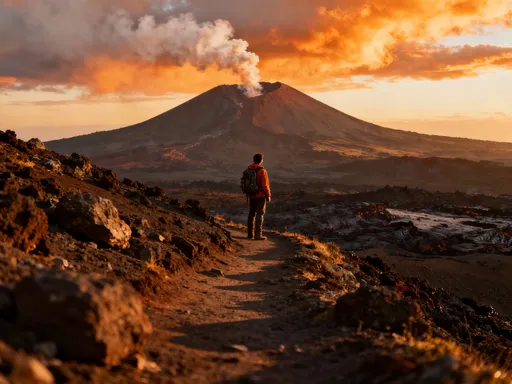
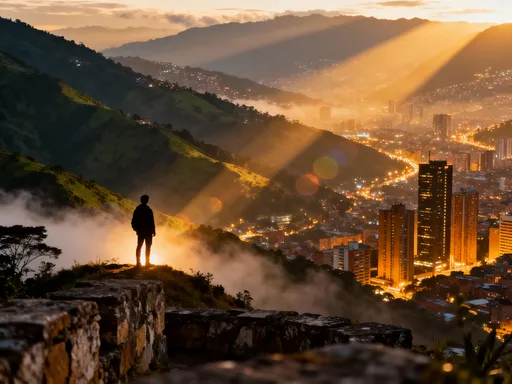
Arequipa is more than Peru’s second-largest city—it is a living archive of taste, shaped by altitude, terrain, and centuries of cultural fusion. At 2,335 meters above sea level, the city sits cradled between three towering volcanoes: Misti, Chachani, and Pichu Pichu. This dramatic landscape does more than inspire awe; it directly shapes the character of the food. The volcanic soil, rich in minerals, nurtures crops with deeper flavor profiles. Potatoes grow firmer, corn kernels burst with sweetness, and peppers develop a heat that lingers like memory.
The city’s cuisine reflects a quiet harmony of Andean, Spanish, and coastal influences. Indigenous ingredients meet colonial techniques, creating dishes that are both hearty and refined. The Quechua and Aymara peoples contributed staples like chuño—potatoes freeze-dried naturally through the region’s freezing nights and intense daytime sun—a preservation method perfected over centuries. Spanish settlers introduced pork, garlic, and cumin, which now simmer together in slow-cooked stews. Meanwhile, access to the Pacific coast ensures fresh seafood finds its way inland, transformed into rich, creamy soups.
Central to Arequipa’s flavor identity is the rocoto pepper. Unlike the milder ají used elsewhere in Peru, the rocoto delivers a bold, sustained heat. Yet it is never used for shock value. In skilled hands, it becomes a vehicle for complexity, balanced with cheese, meat, or fruit. The pepper’s presence in nearly every traditional dish speaks to the Arequipeño spirit: bold, resilient, and deeply rooted. Alpaca meat, lean and rich in iron, is another regional treasure, often marinated and slow-cooked to tender perfection. These ingredients are not exotic novelties—they are daily nourishment, woven into the rhythm of life.
Food here is not a luxury; it is identity. Meals mark time—breakfast with fresh corn and cheese, midday with a steaming plate of stew, evening with a simple soup. Family gatherings, market days, and religious festivals all revolve around shared tables. To eat in Arequipa is to participate in a culture that honors continuity, where every bite carries the weight of memory and the warmth of belonging.
Picanterías: The Soul of Secret Dining
The true heart of Arequipa’s culinary scene beats in its picanterías—humble, family-run eateries that have sustained the city’s food culture for over two centuries. These are not restaurants in the modern sense. They are homes first, kitchens second, and dining rooms by invitation. Often passed down through generations of women known as picanteras, these establishments operate quietly, without signs, websites, or social media pages. Their reputation spreads not through advertisements but through the loyalty of neighbors, the murmur of regulars, and the scent of cumin drifting through cobblestone alleys.
Most picanterías open only for lunch, typically from 10 a.m. to 3 p.m., and only on specific days of the week. Some serve only Mondays, Wednesdays, and Fridays, following rhythms established decades ago. Their interiors are unpretentious: whitewashed walls, wooden tables, and hand-painted tiles. The real magic lies in the courtyard—a shaded patio where vines climb stone arches and clay ovens glow with embers. Here, families gather, friends reunite, and strangers are welcomed as if they’ve always belonged.
The picantera is the undisputed matriarch of this world. Often wearing a traditional Andean pollera skirt and a woven shawl, she moves through the kitchen with quiet authority. Her hands know the exact moment a stew has thickened, the precise balance of spice in a sauce. These women are not just cooks; they are guardians of heritage. Many learned their recipes at their grandmother’s side, and now teach them to daughters and granddaughters. The knowledge is oral, intimate, and fiercely protected.
What makes picanterías so extraordinary is their resistance to commercialization. They do not cater to trends. Their menus change with the season and the market. There are no fixed prices listed—bills are calculated based on what was served, often written on scraps of paper. Tourists rarely find them unless guided by a local. And yet, on any given lunchtime, the courtyard fills with teachers, shopkeepers, and artisans—people who come not just to eat, but to be seen, to belong. In a world of curated dining experiences, picanterías offer something rarer: authenticity.
A Day in the Life of a Hidden Kitchen
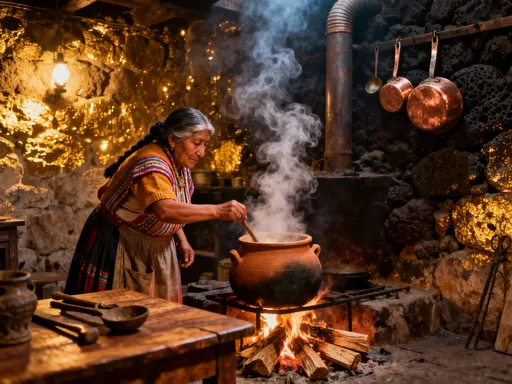
Dawn breaks softly over Arequipa, the volcanoes still veiled in mist. Inside a small picantería tucked behind a blue door in the historic Santa Catalina neighborhood, the kitchen is already alive. Doña María, the picantera, arrives before sunrise. She lights the fogón—the traditional wood-fired oven—with dried corn husks and eucalyptus branches. The flame catches slowly, a ritual she has repeated for 42 years. This fire will burn all day, its heat shaping the flavors of every dish.
Her first task is preparing adobo arequipeño, a marinated pork stew that embodies the city’s soul. The pork, sourced from a trusted butcher in the San Camilo Market, has been marinating since the night before in a blend of cumin, garlic, vinegar, and aji panca—a smoky red pepper paste. She transfers it to a heavy clay pot, adds a splash of chicha de jora (a fermented corn drink), and seals it with dough to trap the steam. Into the oven it goes, where it will slow-cook for five hours, the meat tenderizing in its own juices.
In the adjacent room, her daughter Elena grinds fresh herbs in a stone mortar. She prepares the base for chupe de camarones, a creamy shrimp soup that has been a Sunday staple in their family for generations. The recipe calls for Andean cheese, milk, eggs, peas, and fresh mint—ingredients that reflect both highland and coastal influences. She sautés onions and garlic in a cast-iron skillet, then adds the broth, letting it simmer gently. The aroma fills the courtyard, drawing in the first guests by 11 a.m.
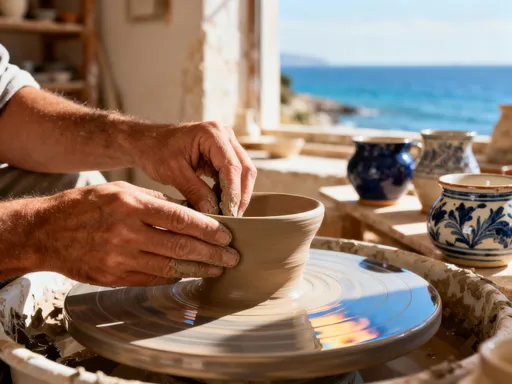
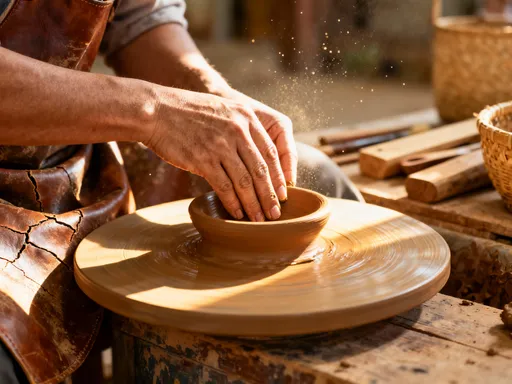
By noon, the rhythm of the kitchen is steady and sure. Doña María’s granddaughter, nine-year-old Lucía, sets the tables, arranging hand-thrown pottery and cloth napkins embroidered by her aunt. The first guests—two elderly neighbors and a schoolteacher—arrive with greetings and hugs. There is no menu to consult; they know what is being served. This is not transactional dining. It is communion. As the adobo is lifted from the oven, its crust cracked open to release a cloud of fragrant steam, the room falls quiet for a moment. Then, the spoons begin to move.
Must-Try Dishes You Won’t Find on Menus
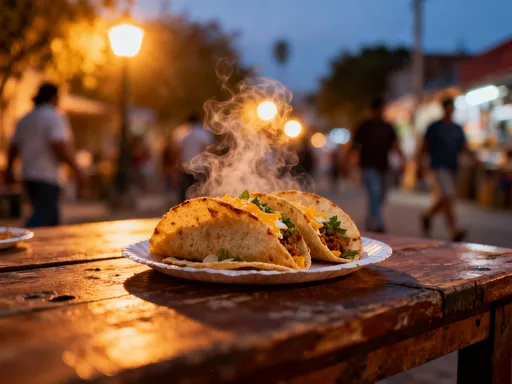
While ceviche and lomo saltado may represent Peruvian cuisine to the outside world, Arequipa’s deepest culinary treasures are often absent from tourist menus. These are dishes born of necessity, refined by time, and reserved for those who know where to look. One such gem is soltero de queso—a simple yet profound salad made with fresh, squeaky Andean cheese, sliced red onion, rocoto slices, and a drizzle of oil and vinegar. Its name, meaning “bachelor’s cheese,” hints at its origins: a quick, satisfying meal for single men working in the fields. Today, it is a beloved appetizer, served with warm cornbread.
Another essential is pastel de papa, a layered casserole that showcases the region’s reverence for the potato. Slices of yellow potato are alternated with a savory filling of ground beef, raisins, olives, and hard-boiled eggs, all bound in a creamy sauce flavored with cumin and nutmeg. Topped with melted cheese and baked until golden, it is comfort food elevated to art. The dish reflects Spanish influence—particularly the use of raisins and olives—but its soul is Andean, rooted in the abundance of native tubers.
Perhaps the most iconic—and daring—is rocoto relleno. The rocoto pepper, naturally hot, is carefully hollowed, blanched to reduce its fire, then stuffed with a rich mixture of spiced ground beef, onions, garlic, and melted cheese. The stuffed peppers are baked in a creamy egg-based sauce until bubbling. Served with rice and a dollop of fresh cream, it is a dish of contrasts: heat and coolness, spice and sweetness, tradition and innovation. Eating it is an act of trust, a willingness to embrace intensity. And for those who do, it becomes unforgettable.
These dishes are more than recipes. They are edible history. Soltero de queso speaks to simplicity and self-reliance. Pastel de papa reflects the blending of cultures through marriage and migration. Rocoto relleno embodies resilience—the ability to transform something fiery into something nourishing. To taste them is to understand Arequipa not as a destination, but as a living culture, where food is memory made tangible.
How to Find the Real Deal (Without a Guidebook)
Finding an authentic picantería requires patience, curiosity, and a willingness to step off the beaten path. Unlike the restaurants clustered around the Plaza de Armas, where menus are printed in four languages and prices are inflated, the real kitchens hide in residential neighborhoods, behind unmarked doors. The first rule is to follow the locals. Arrive in Arequipa on a weekday, preferably Tuesday or Thursday, when families gather for midday meals. By 12:30 p.m., watch where office workers and shopkeepers disappear. A line forming outside a modest house with a flower-filled courtyard is a promising sign.
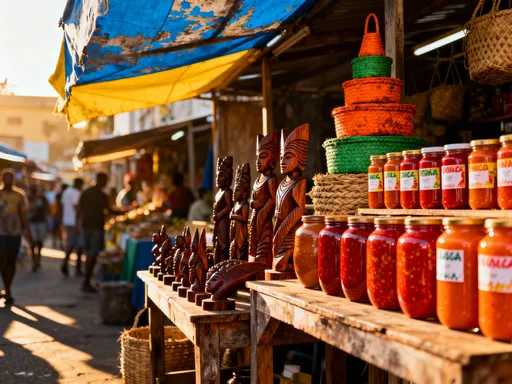
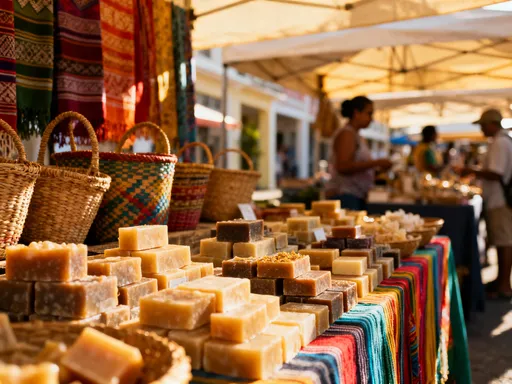
The San Camilo Market is another reliable starting point. This sprawling indoor market is where picanteras shop daily. Strike up a conversation with a vendor selling fresh cheese or rocoto peppers. A simple question—“¿Dónde comen los locales?”—can open doors. Many vendors will point you to a cousin, a neighbor, or a friend who runs a kitchen. Trust these recommendations over any online review.
Look for certain clues: handwritten menus taped to the wall, the absence of English signage, the presence of elderly women in traditional dress. If the space feels like a home—because it is—you are likely in the right place. Be prepared to pay in cash, often between 20 and 35 soles (about $5 to $10) for a full meal. And do not expect a printed menu. Dishes are announced verbally, sometimes with a smile and a gesture toward the kitchen.
Language helps, but kindness helps more. A polite “buen provecho” when entering, a compliment about the aroma, or a request to try “what you’re having” can break the ice. Many picanteras are shy about serving foreigners, not out of unfriendliness, but out of pride—they want to get it right. Show respect for their craft, and you will be rewarded with a seat at the table, perhaps even a glass of homemade chicha offered with a smile.
Beyond the Plate: Dining as Cultural Immersion
In Arequipa, a meal is never just about sustenance. It is an invitation to connect, to slow down, to be present. The picantería is not a performance for tourists; it is a living space where life unfolds in real time. Conversations flow freely—about the weather, the price of corn, the upcoming festival of La Virgen de la Candelaria. Strangers become companions over shared tables. A toast may happen spontaneously, glasses raised with “¡Salud!” before sipping chicha or a local craft beer.
These moments are not staged. They emerge from a culture of warmth and openness that defines Arequipa. The pace of life here is measured, not rushed. People take time to greet one another, to ask after family, to sit a little longer. In the picantería, this ethos is preserved. There is no pressure to turn over tables. Guests are allowed to linger, to savor, to talk. A grandmother may join the conversation, sharing stories of how she cooked for 50 people during a wedding in the 1970s. A child may run through the courtyard with a plate of bread, offering it to guests.
Dining in this way transforms the traveler from observer to participant. You are not watching culture—you are living it. The food becomes a bridge, a way to express respect and curiosity. When a picantera serves you her adobo, she is not just feeding you; she is sharing a piece of her life. And when you thank her, not just with words but with presence, with attention to each flavor, you honor that gift.
This kind of connection is increasingly rare in a world of fast travel and instant gratification. But in Arequipa, it remains alive, protected by the quiet dedication of women who believe that food should nourish more than the body. It should feed the soul, strengthen bonds, and carry forward the stories of those who came before.
Why This Secret Matters—And How to Keep It Alive
The hidden dining culture of Arequipa is not just a charming relic—it is a vital thread in the fabric of Peruvian identity. As tourism grows and global tastes shift, these family-run picanterías face mounting pressures. Some have closed, unable to compete with modern restaurants or rising costs. Others risk diluting their traditions to appeal to foreign palates. The loss of even one kitchen is not just a culinary tragedy; it is a cultural erosion.
Preserving this heritage requires conscious, respectful travel. Supporting authentic picanterías means choosing them over chain restaurants, paying fair prices, and eating what is offered rather than requesting modifications. It means resisting the urge to post every meal on social media—where viral attention can overwhelm small kitchens and alter their character. It means visiting during off-peak hours, speaking softly, and treating the space with the reverence it deserves.
Travelers can also contribute by learning about the ingredients and stories behind the dishes. Ask about chuño, about the difference between aji panca and rocoto, about the history of the building you’re sitting in. These questions show respect and encourage the passing down of knowledge. When children see that outsiders care about their grandmother’s recipe, they are more likely to value it too.
Finally, eat with intention. In a world of fleeting experiences, a meal in an Arequipeño picantería is a chance to slow down, to taste deeply, to connect. It is not about checking a box on a bucket list. It is about being a guest in someone’s home, a participant in a tradition that has survived earthquakes, economic shifts, and generations of change. To eat here is to be reminded that the most meaningful journeys are not measured in miles, but in moments of human warmth.
So when you come to Arequipa, do not just visit. Sit down. Let the flavors unfold. Listen to the stories. And leave not with souvenirs, but with the quiet understanding that some secrets are meant to be shared—gently, respectfully, one plate at a time.