Why Yoga Meditation Works Wonders for Holistic Health
Have you ever felt mentally drained despite getting enough rest? I did—until I discovered how yoga meditation quietly transforms both mind and body. Blending ancient Chinese wellness principles with mindful movement, this practice isn’t just calming—it’s a game-changer for energy, focus, and overall well-being. No hype, no quick fixes—just real, lasting health enhancement through simple daily habits.
The Hidden Burnout Epidemic
In today’s fast-paced world, many women between 30 and 55 find themselves caught in a cycle of persistent fatigue, even when they sleep eight hours and eat balanced meals. The exhaustion isn’t always physical—it’s a mental fog, a low hum of anxiety, or an emotional flatness that makes daily responsibilities feel heavier than they should. This subtle form of burnout is increasingly common, yet rarely addressed by conventional wellness advice. Doctors may suggest more sleep or better nutrition, but these solutions often fall short because they don’t target the root issue: chronic nervous system activation and mental overstimulation.
Modern life bombards the brain with constant input—emails, social media, household demands, work deadlines. Over time, this unrelenting pace keeps the body in a prolonged state of low-grade stress. The sympathetic nervous system, responsible for the “fight or flight” response, remains subtly engaged, preventing true recovery. Even during rest, the mind may replay conversations, anticipate future tasks, or worry about family needs. This mental clutter disrupts the body’s natural ability to reset, leading to what experts call allostatic load—the wear and tear on the body caused by chronic stress.
Yoga meditation offers a powerful antidote by directly addressing this imbalance. Unlike passive relaxation, such as watching television or scrolling through a phone, yoga meditation engages the parasympathetic nervous system—the body’s “rest and digest” mode. Through intentional breathing and mindful awareness, it signals safety to the brain, reducing the production of stress hormones like cortisol. This shift isn’t just psychological; it’s physiological. Studies show that regular meditation can lower heart rate, reduce blood pressure, and improve sleep efficiency. For women juggling multiple roles, this practice becomes a form of self-repair, helping the body return to a state of equilibrium.
What makes yoga meditation particularly effective is its dual focus on movement and stillness. Gentle postures prepare the body for deeper relaxation by releasing muscular tension, especially in the neck, shoulders, and hips—areas where stress commonly accumulates. This physical release supports mental clarity, creating a feedback loop where a calmer body encourages a quieter mind. Over time, this integrated approach helps break the cycle of chronic fatigue, not by adding more to the day, but by restoring balance within the existing rhythm of life.
Bridging Traditional Chinese Medicine and Mindful Movement
For centuries, Traditional Chinese Medicine (TCM) has emphasized the importance of energy flow, known as Qi (pronounced “chee”), in maintaining health. According to TCM, Qi travels through pathways called meridians, connecting organs and influencing both physical and emotional well-being. When Qi flows smoothly, the body functions optimally; when it becomes blocked or imbalanced, symptoms like fatigue, irritability, or digestive discomfort may arise. Yoga meditation, though originating in India, aligns remarkably well with these principles, particularly in its emphasis on breath, posture, and internal awareness.
One of the core concepts in TCM is the balance between Yin and Yang—opposing yet complementary forces. Yin represents stillness, receptivity, and nourishment, while Yang embodies activity, movement, and expression. Modern lifestyles often lean heavily into Yang energy: constant doing, achieving, and producing. This imbalance can deplete Yin, leading to burnout, insomnia, and hormonal fluctuations. Yoga meditation restores harmony by cultivating Yin qualities. Practices such as slow stretching, seated meditation, and deep abdominal breathing activate the body’s restorative processes, supporting liver detoxification, spleen function, and heart coherence—all vital for sustained energy and emotional stability.
The liver, in TCM, is responsible for the smooth flow of Qi and is closely linked to emotional regulation, particularly anger and frustration. When the liver Qi is stagnant—often due to stress or emotional suppression—it can manifest as irritability, headaches, or menstrual discomfort. Gentle yoga postures like Cat-Cow, Child’s Pose, and Forward Fold help release tension in the torso, promoting Qi circulation through the liver meridian. When combined with mindful breathing, these movements encourage a sense of emotional release, not through dramatic expression, but through quiet surrender.
Similarly, the spleen in TCM governs digestion and the transformation of food into energy. Poor diet, overthinking, and chronic worry can weaken spleen function, leading to bloating, fatigue, and mental fog. Yoga meditation supports spleen health by calming the mind and improving digestive efficiency. Practices that focus on the abdominal area—such as diaphragmatic breathing and gentle twists—stimulate internal organs and enhance blood flow. This physiological support, viewed through the lens of TCM, is not about curing disease but about maintaining balance, allowing the body to function as it was designed.
How Yoga Meditation Actually Works (Beyond Relaxation)
While many people associate yoga meditation with stress relief, its benefits extend far beyond temporary calm. Scientific research has identified specific biological mechanisms that explain how this practice leads to measurable improvements in health. One of the most significant is vagus nerve stimulation. The vagus nerve, the longest cranial nerve in the body, plays a central role in regulating the parasympathetic nervous system. When activated through slow, rhythmic breathing—a cornerstone of yoga meditation—it sends signals to the brain that promote relaxation, reduce inflammation, and improve heart function.
Another key mechanism is the reduction of cortisol, the primary stress hormone. Elevated cortisol levels over time are linked to weight gain, weakened immunity, and impaired cognitive function. Studies have shown that individuals who practice yoga meditation regularly exhibit lower baseline cortisol levels, indicating a more resilient stress response. This doesn’t mean they never feel stressed; rather, their bodies recover more quickly after stressful events, preventing the long-term damage associated with chronic activation.
Heart rate variability (HRV) is another important marker of health that improves with consistent practice. HRV refers to the variation in time between heartbeats and is a strong indicator of autonomic nervous system balance. Higher HRV is associated with better cardiovascular health, emotional regulation, and overall resilience. Yoga meditation enhances HRV by synchronizing breath with heart rhythms, a phenomenon known as respiratory sinus arrhythmia. This natural fluctuation strengthens the heart’s ability to adapt to changing demands, supporting long-term vitality.
These physiological changes translate into tangible daily benefits. Improved digestion occurs as the body shifts from “fight or flight” to “rest and digest,” allowing for more efficient nutrient absorption. Mental clarity increases as the brain receives more oxygen and experiences reduced neural noise. Mood stabilizes as neurotransmitters like serotonin and GABA are naturally regulated. For women managing households, careers, and family needs, these shifts are not minor—they are foundational, enabling greater presence, patience, and energy without relying on external stimulants or quick fixes.
My Routine: Simple Practices That Deliver Real Results
Integrating yoga meditation into a busy life doesn’t require hours of solitude or complex techniques. The most effective routines are simple, repeatable, and adaptable. My personal practice, developed over years of trial and adjustment, consists of three core components: gentle asanas (postures), diaphragmatic breathing, and stillness meditation. Each element builds on the last, creating a seamless transition from movement to stillness.
The first sequence begins with five minutes of gentle stretching. I start on the floor in Child’s Pose, allowing the hips and lower back to release. This is followed by Cat-Cow to mobilize the spine and awaken breath awareness. Then, I move into a seated Forward Fold, holding the position with relaxed arms and a soft gaze. These postures are not about achieving perfect form; they are about tuning in, noticing where tension resides, and inviting it to soften. This short movement practice prepares the body for deeper relaxation by signaling that it’s safe to slow down.
The second phase focuses on diaphragmatic breathing. I sit upright with a straight spine, placing one hand on the belly and the other on the chest. Inhaling deeply through the nose, I feel the belly rise while the chest remains still. Exhaling slowly, I gently engage the abdominal muscles. I repeat this for five to ten minutes, counting breaths to maintain focus. This practice activates the vagus nerve, lowers heart rate, and creates a sense of inner calm. On days when energy is low, I practice this lying down, allowing the breath to become even slower and more rhythmic.
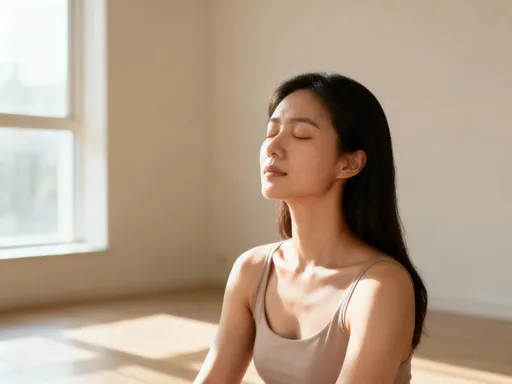
The final stage is stillness meditation. I close my eyes and bring attention to the natural rhythm of the breath. When thoughts arise—and they always do—I acknowledge them without judgment and return to the breath. I don’t aim for an empty mind; I aim for presence. Even five minutes of this practice can shift my entire day, improving focus and emotional resilience. Over time, I’ve noticed that I react less impulsively to stress, sleep more soundly, and feel more grounded in my body. The key has been consistency, not duration. Even on chaotic mornings, I commit to at least ten minutes, knowing that small efforts compound into lasting change.
Breaking Through the “I Can’t Meditate” Myth
Many women hesitate to start yoga meditation because they believe they “can’t meditate.” Common concerns include restlessness, inability to quiet the mind, or fear of doing it wrong. These barriers are understandable but often based on misconceptions. Meditation isn’t about achieving a blank mind or sitting perfectly still for an hour. It’s about cultivating awareness and learning to return to the present moment, again and again. The fact that the mind wanders is not a failure—it’s part of the process.
One effective way to overcome restlessness is through micro-sessions. Instead of aiming for 20 minutes, start with two or three. These short practices reduce pressure and make the habit easier to maintain. Anchor points—such as the sensation of breath at the nostrils, the rise and fall of the belly, or the sound of ambient noise—help stabilize attention. When the mind drifts, gently guiding it back strengthens mental discipline, much like lifting a light weight repeatedly builds muscle.
For those who struggle with stillness, movement-based mindfulness can be a valuable entry point. Walking meditation, gentle stretching, or even mindful dishwashing can serve as forms of meditation. The goal is not to eliminate thought but to develop a different relationship with it—one of observation rather than reaction. Over time, this shift reduces mental clutter and enhances emotional clarity. Progress, not perfection, is the true measure of success. Small wins—like noticing tension before it becomes a headache or pausing before responding in frustration—signal that the practice is working.
Signs It’s Actually Working (Beyond Feeling Calm)
The benefits of yoga meditation often emerge subtly, not as dramatic breakthroughs but as quiet improvements in daily functioning. One of the first changes many women notice is better sleep quality. Falling asleep becomes easier, nighttime awakenings decrease, and morning grogginess fades. This improvement is linked to the regulation of melatonin and cortisol, hormones that govern the sleep-wake cycle.
Another common sign is fewer afternoon energy crashes. Instead of reaching for caffeine or sugary snacks, the body maintains steady energy levels throughout the day. This stability stems from improved blood sugar regulation and enhanced mitochondrial function—the energy-producing units within cells. Emotional resilience also increases. Situations that once triggered frustration or anxiety now feel more manageable. Reactions become measured rather than reactive, allowing for greater patience with children, partners, and coworkers.
Digestive improvements are another indicator. Bloating, constipation, or indigestion may lessen as the parasympathetic nervous system supports optimal gut function. Women often report feeling lighter, more comfortable, and more in tune with their body’s signals. These changes are not isolated; they compound over time. As the nervous system recalibrates, the body operates with greater efficiency, conserving energy for healing, repair, and vitality. The real measure of success isn’t how long one meditates, but how one feels in the moments between practices.
Making It Last: Building a Sustainable Habit
Sustaining yoga meditation requires more than motivation—it requires strategy. Environment design plays a crucial role. Creating a dedicated space, even if it’s just a corner with a cushion and blanket, signals to the brain that this time is sacred. Keeping the area clutter-free and quiet enhances focus. Timing also matters. Linking the practice to an existing habit—such as after brushing teeth or before breakfast—increases the likelihood of consistency.
Tracking progress can provide encouragement, but not through rigid metrics. Instead of counting minutes, I pay attention to bodily feedback: Do I feel more grounded? Is my breathing deeper? Am I sleeping better? These subtle cues are more meaningful than numbers. Mindset shifts are equally important. Letting go of performance-based thinking—“I must do it perfectly”—and embracing self-compassion allows the practice to evolve naturally. Some days will feel easier than others, and that’s okay.
Pairing yoga meditation with other self-care rituals can deepen its impact. Drinking warm water with lemon, journaling briefly, or listening to calming music afterward extends the sense of nourishment. The goal is not to add more to the day, but to enhance what’s already there. Long-term health enhancement comes not from intensity, but from regularity. A five-minute practice done daily is more powerful than an hour-long session done once a week. Over time, this consistency becomes a quiet act of self-respect—a daily reminder that wellness is not a destination, but a way of living.
Yoga meditation isn’t a shortcut—it’s a quiet revolution in self-care. By honoring both ancient wisdom and modern science, it offers a natural, effective path to lasting vitality. Start small, stay consistent, and let your body remind you what true wellness feels like.