Why I Never Skip My Daily Movement Ritual—And You Shouldn’t Either
We often think of exercise as something we do to lose weight or build muscle, but what if it’s actually our best defense against getting sick? I used to believe that only diet and doctors kept me healthy—until I learned how daily movement strengthens the immune system, balances mood, and prevents chronic illness. This isn’t about intense workouts. It’s about smart, sustainable habits. Let me share what I’ve discovered through years of testing small changes with real results. Movement, when done consistently, becomes a form of daily medicine—one that doesn’t require a prescription, yet delivers profound protection against the most common health threats we face as we age. It’s not about looking better in a swimsuit; it’s about living longer, feeling stronger, and staying independent well into later years. And the best part? You don’t need special equipment, a gym membership, or hours of time. You just need to move—regularly, intentionally, and with awareness.
The Hidden Power of Movement in Preventing Disease
Modern medicine has taught us to rely on medications and medical interventions, but one of the most powerful tools for staying healthy is entirely within our control: daily physical activity. Research consistently shows that people who move regularly are significantly less likely to develop chronic diseases such as type 2 diabetes, heart disease, stroke, and certain cancers. The reason lies in how movement influences the body at a cellular level. When you engage in even light physical activity, your muscles contract and begin to use glucose for fuel. This process helps regulate blood sugar, reducing the strain on the pancreas and lowering the risk of insulin resistance—a key factor in metabolic disease.
At the same time, movement improves circulation, ensuring that oxygen and nutrients are efficiently delivered to tissues while waste products are removed. This enhanced blood flow supports the function of every organ system, including the brain and immune system. In fact, studies have found that moderate daily activity increases the circulation of immune cells, making the body more alert and responsive to infections. Think of your body like a machine: if it sits idle for too long, parts begin to stiffen and rust. Movement keeps everything lubricated, responsive, and functioning as it should. It’s not just about strength or endurance—it’s about maintaining internal balance.
Another critical benefit of regular movement is its effect on inflammation. Chronic, low-grade inflammation is now recognized as a root cause of many long-term health conditions, from arthritis to Alzheimer’s disease. Physical activity helps reduce inflammatory markers in the blood, such as C-reactive protein. This doesn’t happen overnight, but with consistency, the body begins to operate in a more balanced, resilient state. The beauty of this protective effect is that it doesn’t require high intensity. A daily walk, gentle stretching, or household chores like gardening or cleaning can all contribute to this anti-inflammatory response. The key is frequency, not force.
Common Misconceptions About Exercise and Health
Despite the overwhelming evidence supporting daily movement, many people still avoid it because of deeply ingrained myths. One of the most persistent beliefs is that exercise must be strenuous to be effective. Phrases like “no pain, no gain” have shaped the way generations think about physical activity, leading many to believe that unless they’re sweating heavily or feeling sore, they’re not doing enough. This mindset sets unrealistic expectations and often leads to burnout or injury. The truth is, even light to moderate activity offers substantial health benefits. The World Health Organization recommends at least 150 minutes of moderate-intensity aerobic activity per week—but this can be broken into short, manageable sessions, such as three 10-minute walks a day.
Another common misconception is that exercise must happen in a gym or require special equipment. In reality, movement can happen anywhere—at home, in the park, or even while watching television. Simple actions like standing up every 30 minutes, pacing during phone calls, or doing a few squats while waiting for the kettle to boil all count. The goal is not to achieve athletic performance but to stay consistently active throughout the day. When we shift our thinking from “exercise as punishment” to “movement as self-care,” it becomes easier to stick with it. This mental reframe is especially important for women in midlife, who may feel discouraged by past attempts or physical limitations.
Inconsistency often stems from trying to do too much too soon. Many people start with ambitious routines—hour-long workouts six days a week—only to abandon them within weeks. Sustainable change comes not from intensity but from integration. When movement becomes part of your daily rhythm, like brushing your teeth or making your morning coffee, it no longer feels like a chore. It becomes a natural expression of caring for yourself. And unlike diets or supplements, which often come and go, daily movement is a habit that pays dividends for decades.
How the Body Responds to Consistent Physical Activity
The human body is designed to move, and when we honor that design, remarkable adaptations occur over time. With regular physical activity, the heart becomes stronger and more efficient. It doesn’t have to work as hard to pump blood, which leads to lower resting heart rate and reduced blood pressure. This decreased strain on the cardiovascular system is one of the primary reasons active individuals have a lower risk of heart attacks and strokes. At the same time, the lungs become better at taking in oxygen and delivering it to working muscles, improving overall stamina and reducing fatigue.
Muscles and bones also respond positively to consistent movement. Weight-bearing activities, such as walking or climbing stairs, stimulate bone density, which is especially important for women after menopause when bone loss accelerates. Muscle mass naturally declines with age, but resistance training—even with light weights or bodyweight exercises—can slow or even reverse this process. Stronger muscles support joint health, improve balance, and reduce the risk of falls, a major concern for older adults. These changes may not be immediately visible, but they are deeply protective.
The brain, too, benefits significantly from daily movement. Physical activity increases blood flow to the brain and stimulates the release of neurochemicals like endorphins, serotonin, and brain-derived neurotrophic factor (BDNF), which supports cognitive function and emotional well-being. Over time, people who stay active report better focus, sharper memory, and more stable moods. Studies have shown that regular exercisers are less likely to experience anxiety and depression, and some research suggests that physical activity may delay the onset of dementia. These benefits accumulate quietly, often going unnoticed until a comparison is made—such as recovering more quickly from illness or maintaining independence longer than peers who are less active.
Practical Exercise Strategies for Real Life
Knowing the benefits of movement is one thing; making it a daily habit is another. The key to success lies in designing a routine that fits your lifestyle, not one that disrupts it. For many women juggling family, work, and household responsibilities, finding time for a 45-minute workout can feel impossible. But movement doesn’t have to be scheduled like a formal appointment. Instead, it can be woven into the fabric of your day. One effective strategy is to take a 10- to 15-minute walk after each meal. Not only does this aid digestion, but it also helps regulate blood sugar levels, making it especially beneficial for those managing prediabetes or weight concerns.
Another practical approach is to incorporate short bursts of activity throughout the day. This could mean doing a few minutes of stretching in the morning, marching in place during TV commercials, or performing simple strength exercises like wall push-ups or seated leg lifts. These mini-sessions add up and contribute to your weekly activity goals. The concept of “habit stacking” can be powerful: pair movement with an existing habit, such as doing calf raises while brushing your teeth or taking the stairs instead of the elevator. Over time, these small choices become automatic.
Active commuting, when possible, is another excellent way to integrate movement. If you drive to work or run errands, consider parking farther away and walking the rest of the way. If you use public transportation, get off a stop early and walk the remainder. Even household chores count—vacuuming, mopping, gardening, or washing the car all involve physical effort that supports health. The goal is not to measure every calorie burned but to stay consistently engaged in motion. When movement becomes a natural part of your day, rather than a separate task, it’s far more likely to last.
Tailoring Movement to Individual Needs and Limits
No two bodies are the same, and effective movement practices must respect individual differences. Age, fitness level, medical history, and physical limitations all play a role in determining what type of activity is safe and beneficial. For some, brisk walking may be ideal; for others, water aerobics or chair-based exercises may be more appropriate. The important thing is to choose activities that feel good and can be sustained over time. Joyful movement—activities you genuinely enjoy—is far more likely to become a lifelong habit than routines based on obligation or guilt.
Women with chronic conditions such as arthritis, osteoporosis, or heart disease should take extra care when starting a new routine. While physical activity is often recommended as part of treatment, it should be introduced gradually and under the guidance of a healthcare provider. A physical therapist or certified fitness professional can help design a program that addresses specific needs and avoids exacerbating existing issues. For example, someone with joint pain may benefit from low-impact exercises like swimming or cycling, which reduce stress on the knees and hips while still building strength and endurance.
Listening to your body is essential. Discomfort is normal when starting something new, but sharp pain or dizziness is not. It’s important to distinguish between the sensation of muscles working and signs of injury. Rest days are just as important as active ones—they allow the body to recover and adapt. Flexibility in routine is also key; some days you may feel energetic and able to do more, while other days call for gentler movement or even complete rest. The goal is not perfection but consistency over time. By honoring your body’s signals, you build a sustainable, respectful relationship with movement.
Tracking Progress Beyond the Scale
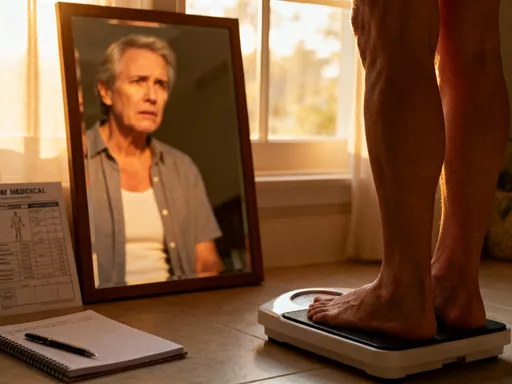
In a culture obsessed with weight and appearance, it’s easy to measure progress solely by the number on the scale. But real health gains often show up in ways that aren’t visible at all. Improved energy levels, better sleep quality, reduced stress, and greater mental clarity are all meaningful indicators of progress. You might notice that you no longer feel winded climbing stairs, that you can play with your grandchildren without getting tired, or that you’ve had fewer colds this year. These non-scale victories are powerful motivators and often more telling than weight loss.
Keeping a simple journal can help you recognize these subtle changes. You don’t need to track every step or calorie—just a few notes each week about how you’re feeling physically and emotionally. Over time, patterns will emerge. You may realize that on days you move, you sleep better or feel more patient with your family. These observations reinforce the value of your efforts and help you stay committed, even when results aren’t immediate. Apps or wearable devices can also provide helpful feedback, such as step counts or heart rate trends, but they should support—not dominate—your journey.
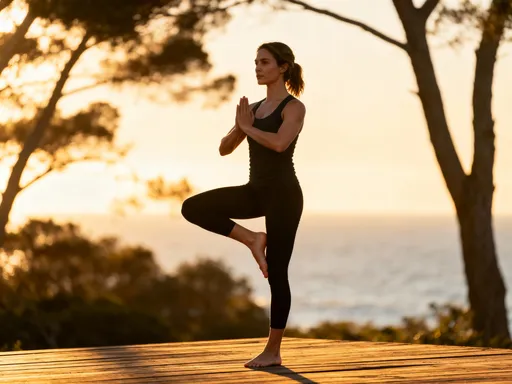
Another way to assess progress is through functional improvements. Can you carry groceries more easily? Do you feel more stable when standing on one foot? Have you noticed improved posture or reduced back pain? These are all signs that your body is becoming stronger and more resilient. Celebrating these milestones helps maintain motivation and shifts the focus from appearance to ability. When you see movement as an investment in your long-term independence and quality of life, it becomes easier to prioritize, even on busy or stressful days.
Building a Lifelong Habit: From Routine to Ritual
The ultimate goal of daily movement is not to achieve a short-term result but to create a lasting habit—a personal ritual that becomes as essential as eating or sleeping. This shift happens gradually, through repetition and intention. At first, movement may feel like something you “have to do,” but over time, it transforms into something you “get to do”—a gift to your future self. The most successful routines are not built on willpower alone but on structure, environment, and mindset.
Creating a supportive environment makes a big difference. Keep walking shoes by the door, place resistance bands in your living room, or set reminders on your phone to stand and stretch. Surround yourself with encouragement—join a walking group, follow inspiring accounts, or share your goals with a friend. Social support increases accountability and makes the journey more enjoyable. At the same time, cultivating a positive mindset helps you stay resilient when motivation dips. Instead of focusing on what you’re missing out on, focus on how movement makes you feel—stronger, calmer, more in control.
Over time, the benefits of daily movement compound. You build not just physical strength but emotional resilience. You develop a deeper connection to your body and a greater appreciation for what it can do. This sense of empowerment is one of the most valuable outcomes of a consistent routine. And as you age, this habit pays increasing dividends, helping you maintain mobility, independence, and vitality. Starting is the hardest part, but every step counts. Whether you begin with five minutes a day or thirty, the important thing is to begin—and to keep going.
Daily movement is not a luxury or an optional extra. It is a fundamental pillar of health, as essential as clean water or nutritious food. It is one of the few things we can do every day to reduce our risk of chronic disease, improve our mental well-being, and enhance our quality of life. You don’t need to be an athlete or spend hours in the gym. You just need to move—consistently, gently, and with purpose. The journey to better health doesn’t begin with a dramatic transformation. It begins with a single step, then another, then another. And over time, those steps add up to a lifetime of strength, resilience, and well-being. Always consult with a healthcare professional before beginning any new exercise program, especially if you have pre-existing health conditions. Your body is your most valuable asset—treat it with care, respect, and daily movement.