Why Balance Training Changed My Daily Moves—And Can Transform Yours Too
You don’t need intense workouts to feel stronger—just better control. I started balance training not to become an athlete, but to move through my day with more confidence. Standing on one leg, walking downstairs, even carrying groceries—suddenly felt easier. It’s not magic, just science-backed stability work. Once I understood how balance shapes overall health, I couldn’t ignore it. This is why every body, at any age, should care about staying steady. What began as a simple attempt to feel more stable on my feet evolved into a daily ritual that reshaped not only my posture and coordination but also my entire relationship with movement. Balance, it turns out, isn’t just about not falling—it’s about moving with purpose, clarity, and strength through every stage of life.
The Hidden Struggle: Why So Many of Us Lose Balance Without Realizing It
Most people assume balance problems only affect the elderly, but the truth is, balance decline often begins decades earlier—sometimes as early as the 30s and 40s. The signs are subtle: grabbing the railing a little too often, stumbling over a curb, or feeling unsteady when standing up quickly. These moments are easy to dismiss as minor slips, but they’re often early indicators of a deeper issue: deteriorating postural control. Modern lifestyles, dominated by sitting at desks, commuting in cars, and minimal physical variety, starve the body of the natural movement challenges it needs to maintain stability. Without regular engagement of core muscles, ankle stabilizers, and sensory feedback systems, the body slowly loses its ability to respond to shifts in terrain or momentum.
This gradual weakening is sometimes called “silent instability” because it progresses without obvious symptoms until a fall or injury occurs. Proprioception—the body’s ability to sense where its parts are in space—diminishes when not used. Imagine driving a car with worn-out shock absorbers; small bumps become jarring, and control feels less precise. Similarly, a body with poor proprioception struggles to make micro-adjustments during everyday motion. Over time, this leads to compensatory movement patterns that strain joints and increase fatigue. The irony is that many people avoid activities that challenge balance—like walking on uneven ground or climbing stairs—further accelerating the decline. What feels like caution becomes a cycle of disuse and weakening.
Women in the 30–55 age range, often managing households, careers, and family responsibilities, are especially vulnerable to this quiet erosion of stability. Long hours on their feet followed by prolonged sitting can create muscular imbalances. Hormonal shifts during perimenopause may also influence joint laxity and muscle mass, indirectly affecting balance. Yet, because these changes happen slowly, they’re rarely addressed until a noticeable incident occurs. Recognizing these early warning signs—like slight wobbling when standing on one foot in the shower or hesitating before stepping off a curb—can be the first step toward proactive improvement. Balance isn’t just about safety; it’s about preserving independence and vitality for years to come.
Balance Is More Than Standing on One Leg: What It Really Means for Your Body
Balancing on one foot may seem like a simple act, but beneath the surface, it involves a complex network of systems working in harmony. True balance is the integration of three key components: the vestibular system in the inner ear, visual input from the eyes, and somatosensory feedback from the muscles, joints, and skin. The vestibular system detects motion and spatial orientation, helping the brain understand whether you’re moving or standing still. Vision provides environmental cues—knowing where the ground is, spotting obstacles, and judging distances. Meanwhile, somatosensory receptors in the feet and ankles send constant updates about pressure, texture, and movement, allowing for real-time adjustments.
The brain processes all this information in milliseconds, making subtle corrections to muscle activation to keep the body upright. This automatic coordination is why you can walk on a moving bus or stand steadily on a sloped surface without conscious effort. However, if one of these systems weakens—due to inactivity, aging, or minor injury—the entire balance network becomes less efficient. For example, reduced ankle strength impairs the foot’s ability to detect subtle shifts, forcing the body to rely more heavily on vision. This overdependence can become problematic in low-light conditions or when visual cues are unreliable, such as on a shiny floor or in a crowded space.
Core stability plays a crucial role as well. The muscles of the abdomen, lower back, and pelvis act as the body’s central stabilizers, anchoring movement and preventing excessive sway. When these muscles are weak or underactive, the body compensates by tightening other areas, such as the shoulders or hips, leading to inefficient posture and increased fatigue. Additionally, neural coordination—the brain’s ability to send precise signals to muscles—declines without regular challenge. The good news is that balance is not a fixed trait. Like learning a new language or mastering a skill, the body can retrain its balance systems through consistent, targeted practice. Stability is not something you either have or don’t have—it’s a dynamic ability that can be strengthened at any age.
Why Ignoring Balance Hurts More Than You Think: The Ripple Effect on Health
While falls are the most obvious consequence of poor balance, the impact extends far beyond a single misstep. Chronic instability contributes to joint strain, particularly in the knees, hips, and lower back. When the body lacks proper alignment during movement, certain joints bear disproportionate loads, accelerating wear and tear. Over time, this can lead to discomfort, inflammation, and even early-onset osteoarthritis. Poor balance also affects gait efficiency, making walking more effortful and tiring. This increased energy expenditure can discourage physical activity altogether, creating a downward spiral of inactivity and further weakening.
Postural misalignment is another common side effect. Without adequate core engagement and proprioceptive awareness, people often develop habits like leaning to one side, slouching, or shifting weight unevenly. These patterns may seem minor, but they place continuous stress on spinal structures, contributing to chronic back pain and reduced mobility. Many women in midlife report increasing discomfort when standing for long periods or lifting children or groceries—issues that are often linked to underlying balance deficits rather than age-related decline alone. Addressing balance can alleviate these symptoms by promoting more efficient, aligned movement.
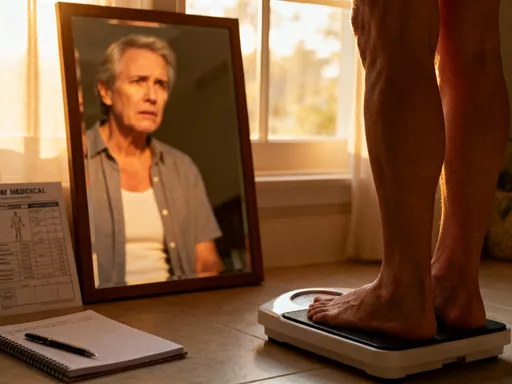
Equally important is the psychological toll of instability. A subtle but powerful loss of confidence can develop when someone begins to fear movement. This may manifest as avoiding certain activities—like hiking on trails, dancing at weddings, or even standing in a moving vehicle—due to a fear of losing control. Over time, this avoidance reduces quality of life and limits social engagement. The perception of being “less steady” can also affect self-image, leading some to feel prematurely aged or physically limited. Yet, these feelings are not inevitable. With proper training, balance can be restored, and with it, a renewed sense of physical capability and freedom.
The Science Behind Stability: How Quick Balance Exercises Rewire Your Body
Research consistently shows that balance is one of the most responsive physical abilities to training. Studies published in journals such as the *Journal of Aging and Physical Activity* and *Gait & Posture* demonstrate that even short, daily balance exercises—lasting as little as five to ten minutes—can lead to measurable improvements in postural control within just two to four weeks. These gains are not just muscular; they reflect changes in the nervous system. The brain’s ability to adapt to new movement demands, known as neuroplasticity, allows for rapid reorganization of motor pathways. When balance exercises are repeated regularly, the brain becomes more efficient at processing sensory input and coordinating muscle responses.
One of the most significant benefits is improved reaction time. As balance training enhances neuromuscular communication, the body learns to correct small instabilities before they become falls. For instance, if you step on an uneven surface, trained reflexes allow your ankle muscles to activate faster, preventing a roll or twist. This protective mechanism is especially valuable in unpredictable environments, such as crowded sidewalks or slippery floors. Additionally, balance drills strengthen the small stabilizing muscles around the ankles and feet—areas often neglected in traditional exercise routines. These muscles are essential for maintaining control during dynamic movements like turning, stopping, or shifting weight.
Another measurable outcome is enhanced coordination. As the brain integrates visual, vestibular, and somatosensory signals more effectively, movement becomes smoother and more precise. This translates to real-world benefits: easier navigation through busy spaces, greater confidence when climbing ladders or reaching high shelves, and improved performance in recreational activities like gardening, hiking, or playing with grandchildren. The beauty of balance training lies in its efficiency. Unlike lengthy workout sessions, these exercises require minimal time and no equipment, yet they yield disproportionate returns in functional strength and safety. The key is consistency—short, frequent practices are more effective than occasional, intense sessions.
Simple Moves, Big Gains: Three Quick Daily Practices That Actually Work
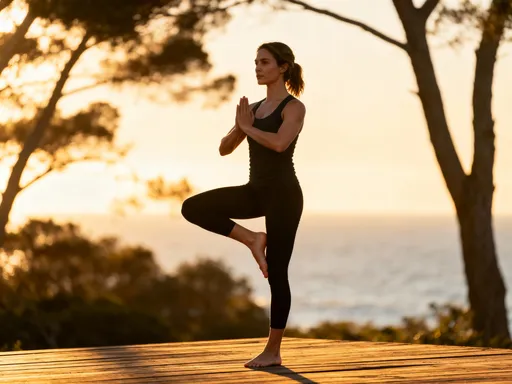
Integrating balance training into daily life doesn’t require a gym membership or special gear. Three foundational exercises—single-leg stands, heel-to-toe walks, and weight shifts—are highly effective, easy to learn, and can be done almost anywhere. The single-leg stand is a cornerstone of balance training. Begin by standing near a wall or sturdy surface for light support if needed. Lift one foot slightly off the ground, keeping the knee bent, and hold the position for 30 seconds. Focus on maintaining a neutral spine and engaging the core. Switch legs and repeat. As stability improves, try letting go of support or closing the eyes to increase difficulty. Performing this exercise while brushing teeth turns a routine moment into a productive training session.
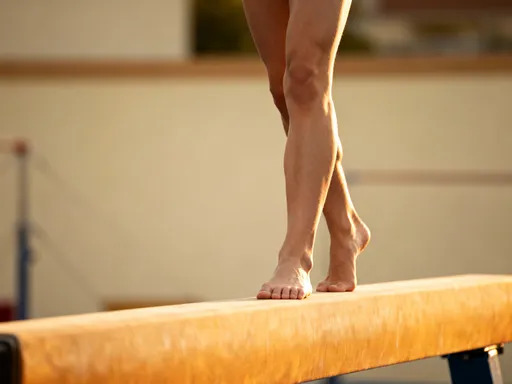
The heel-to-toe walk, also known as the tandem walk, mimics the natural gait pattern required for narrow paths or uneven terrain. Walk in a straight line, placing the heel of one foot directly in front of the toes of the other, like walking on a tightrope. Take 10 to 15 steps with arms out for balance. This movement challenges both linear stability and coordination. It’s particularly useful for improving confidence on stairs or crowded sidewalks. Practicing this in a hallway or along a tile line makes it easy to incorporate into daily movement. Over time, the body learns to maintain alignment and adjust step length with greater precision.
Weight shifts are another simple yet powerful drill. Stand with feet hip-width apart and slowly shift your weight to one side, lifting the opposite foot slightly off the ground. Hold for a few seconds, then shift to the other side. This movement enhances lateral stability and strengthens the gluteus medius, a key hip stabilizer. It also improves awareness of weight distribution, which is crucial for preventing falls during sudden movements. These three exercises, when practiced daily, create a strong foundation for balance. They can be done in under five minutes and yield noticeable improvements in steadiness, posture, and movement confidence.
Beyond the Basics: How to Level Up Without Equipment or Extra Time
Once the foundational exercises feel comfortable, progressing to more challenging variations ensures continued improvement. One effective method is to reduce sensory input—such as closing the eyes during a single-leg stand. Without visual feedback, the body must rely more on proprioception and the vestibular system, deepening neural adaptation. Another progression is using an unstable surface, like standing on a folded towel or a pillow. This introduces micro-movements that force the ankle and foot muscles to work harder, enhancing fine motor control. These small changes dramatically increase the training effect without requiring additional time.
Incorporating balance challenges into everyday habits further amplifies results. Walking barefoot at home, especially on textured surfaces like rugs or hardwood, stimulates the sensory receptors in the feet, improving ground awareness. Taking stairs mindfully—focusing on posture, foot placement, and even breathing—turns a routine activity into a balance workout. Other opportunities include standing on one leg while waiting for the kettle to boil or shifting weight side to side while folding laundry. These “micro-training” moments accumulate throughout the day, reinforcing stability in a sustainable way.
Consistency is more important than intensity. Unlike strength or cardio training, balance improves best through frequent, low-effort practice. Rushing progression—such as attempting advanced moves too soon—can lead to frustration or injury. Proper alignment is essential: keep the spine neutral, shoulders relaxed, and knees aligned over the toes. Avoid holding your breath or tensing unnecessary muscles, as this disrupts natural balance mechanisms. Rest days are also important, allowing the nervous system to consolidate learning. By viewing balance as a daily habit rather than a workout, it becomes a seamless part of a healthy lifestyle.
Making Stability a Lifestyle: Shifting from Awareness to Action
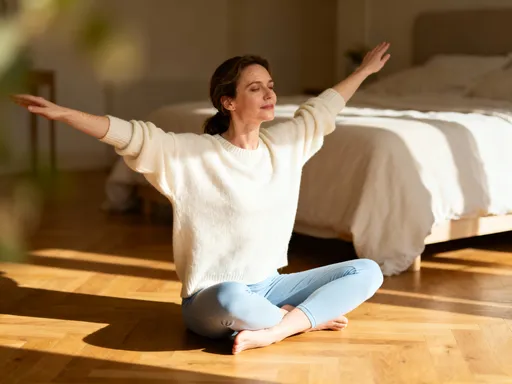
Beyond physical benefits, balance training fosters a deeper connection to the body. It encourages mindfulness—paying attention to how you stand, walk, and move through space. This heightened awareness often leads to better posture, more intentional movement, and increased confidence in physical abilities. Women who practice balance regularly report feeling more grounded, both literally and emotionally. There’s a quiet empowerment that comes from knowing your body can handle everyday challenges with ease. This shift isn’t about achieving perfection; it’s about cultivating resilience and adaptability.
Viewing balance as a lifelong practice, rather than a short-term fix, transforms it into a pillar of long-term well-being. Just as brushing your teeth prevents dental decay, daily balance exercises protect against functional decline. They support independence, reduce injury risk, and enhance quality of life at every stage. The investment is minimal—just a few minutes a day—but the returns are profound. Stability becomes the foundation upon which all other movement is built, enabling everything from active hobbies to simple daily tasks.
In a world that often prioritizes speed and intensity, balance training offers a different kind of strength—one rooted in control, awareness, and sustainability. It’s not about becoming an athlete; it’s about moving through life with greater ease, confidence, and grace. Whether you’re chasing a child, carrying groceries, or stepping onto a moving train, balance ensures you do it safely and smoothly. By making stability a daily habit, you’re not just preventing falls—you’re investing in a future where movement remains a source of joy, freedom, and independence.