How I Fixed My Mental Health with Simple Daily Moves
You don’t need a gym membership or hours of free time to feel mentally stronger. I struggled with low mood and constant stress until I discovered how movement—real, doable, everyday exercise—could reshape my mind. It wasn’t about intense workouts or quick fixes. It was a system: small, consistent techniques that built up resilience. This is how exercise became my quiet anchor, and how it can help you too.
The Mental Health Crisis We’re Ignoring
Modern life moves fast, and many women in their 30s, 40s, and 50s are carrying more than ever before. Responsibilities at work, at home, and within families often leave little room for personal well-being. The constant stream of messages, emails, and social updates creates a background hum of stress that never truly fades. Many describe feeling emotionally drained, as though they are going through the motions without joy or energy. This isn’t just being tired—it’s a quiet erosion of mental strength that often goes unnoticed until it reaches a breaking point.
For years, the conversation around mental health has focused on therapy and medication. These are valuable tools and, for many, essential lifelines. But access can be limited. Waiting lists, cost, and stigma prevent some from seeking help. Others may be using these supports and still feel stuck, as though something is missing. The missing piece for many is movement—not in the sense of rigorous training or performance, but in the form of gentle, intentional physical activity woven into daily life. It’s not about looking a certain way or meeting fitness goals. It’s about feeling more like yourself again.
What’s often overlooked is that the body and mind are not separate systems. They communicate constantly. When the body is still for long periods, especially under stress, the mind can become stuck in repetitive, negative loops. Movement interrupts that cycle. It doesn’t erase life’s challenges, but it builds the inner resilience needed to face them with greater calm and clarity. The good news is that this kind of healing doesn’t require dramatic changes. It begins with small choices—choices that anyone can make, regardless of fitness level or schedule.
Why Movement Works: The Brain-Body Connection
The connection between physical activity and mental well-being is not just anecdotal—it’s supported by science. When you move your body, even mildly, your brain responds in measurable ways. One of the most well-documented effects is the release of endorphins, natural chemicals that help regulate mood and reduce the perception of pain. These are sometimes called the body’s “feel-good” molecules, and they contribute to the sense of lightness many people feel after a walk or stretch.
At the same time, movement helps lower cortisol, the hormone most closely linked to stress. When cortisol levels remain high over time, it can affect sleep, concentration, and emotional stability. Regular physical activity helps the body reset its stress response, making it easier to recover from daily pressures. Think of it as a daily tune-up for your nervous system. Over time, this creates a more balanced internal environment where anxiety and low mood have less room to take hold.
Another powerful benefit lies in neuroplasticity—the brain’s ability to adapt and form new connections. Just as muscles grow stronger with use, the brain becomes more resilient through consistent effort. Movement stimulates blood flow to the brain, delivering oxygen and nutrients that support mental clarity and emotional regulation. Studies have shown that people who engage in regular physical activity report better sleep, improved focus, and a greater sense of control over their emotions. These benefits are not limited to those who run marathons or spend hours at the gym. In fact, moderate, consistent movement often yields the most sustainable results.
The key is consistency, not intensity. A 10-minute walk each day can be more effective for mental health than an occasional intense workout. This is especially important for women who may feel discouraged by fitness culture’s emphasis on speed, strength, or appearance. The goal here is not performance—it’s presence. It’s about using movement as a form of self-respect, a daily act of care that says, “I matter.” Over time, this small commitment builds a foundation of mental strength that supports every area of life.
My Turning Point: From Overwhelmed to in Control
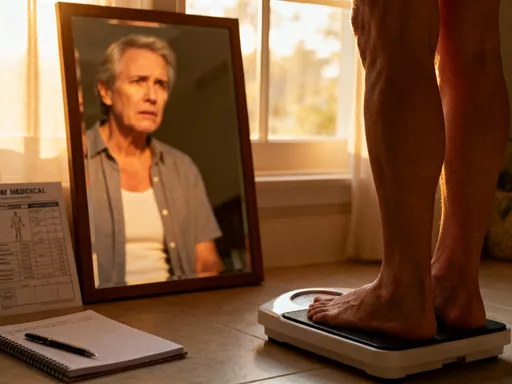
There was a moment, not long ago, when I realized I could no longer ignore how I was feeling. I was juggling a full-time job, caring for aging parents, and managing a household. On the outside, everything looked fine. But inside, I felt numb. I would wake up with a sense of dread, go through the day on autopilot, and collapse into bed, too exhausted to sleep. I wasn’t depressed in the clinical sense, but I wasn’t living fully either. I felt disconnected—from myself, from joy, from purpose.
The turning point came during a routine doctor’s visit. My blood pressure was elevated, and I admitted I hadn’t slept well in months. Instead of prescribing medication, my doctor asked one simple question: “When was the last time you moved your body just for how it makes you feel?” That question stayed with me. I realized I had stopped moving—not because I lacked time, but because I had forgotten how good it could feel. That week, I committed to one small change: a 10-minute walk after dinner. No expectations, no tracking, just movement.
The first few days were hard. I had to fight the urge to skip it, to tell myself I was too tired. But by the third day, something shifted. I noticed I wasn’t as tense. My thoughts felt less tangled. I started looking forward to that quiet time, just me and the evening air. That small habit created a ripple effect. I began adding short stretches in the morning, taking the stairs at work, parking farther from the store. Each movement was a tiny act of reconnection. I wasn’t fixing everything overnight, but I was rebuilding a relationship with my body—and through it, with my mind.
What surprised me most was the change in mindset. At first, movement felt like another task on the list. But over time, it became something I wanted to do, not something I had to do. I stopped seeing it as a chore and started seeing it as a gift. Some days were still hard, and I didn’t always feel like moving. But I learned that showing up, even for two minutes, was enough. Progress wasn’t about perfection. It was about showing up for myself, again and again.
The 4-Part Movement System That Changed Everything
What began as a simple walk grew into a structured yet flexible system that now supports my mental health every day. It’s not complicated, and it doesn’t require special equipment or a lot of time. It’s built on four core practices: Daily Walks, Body Scans in Motion, Strength Minutes, and Rhythmic Breathing with Movement. Together, they create a balanced approach that nurtures both body and mind.
Daily Walks are the foundation. Walking is one of the most accessible forms of movement, and it has a profound effect on mental clarity. Whether it’s around the block, through a park, or even indoors at a mall, the rhythm of walking helps quiet the mind. I aim for 10 to 20 minutes most days, but even five minutes counts. I’ve learned to pair walks with things I already do—talking on the phone, listening to a podcast, or just observing nature. The key is consistency, not distance. Over time, this habit has become a mental reset button, a way to clear my head and return to my day with fresh perspective.
Body Scans in Motion are about reconnecting with physical sensations. Instead of sitting still for a body scan, I do it while moving. As I walk, I bring attention to my feet touching the ground, the swing of my arms, the rise and fall of my breath. This practice combines gentle movement with mindfulness, helping me stay present. When my thoughts race, this simple act of noticing brings me back. It’s not about achieving perfect focus—it’s about gently returning to the body, moment by moment. This has been especially helpful during times of anxiety, when my mind feels scattered.
Strength Minutes are short bursts of resistance activity scattered throughout the day. These aren’t long workouts—they’re one- or two-minute moments of intentional effort. I might do wall push-ups while waiting for the kettle to boil, stand on one leg while brushing my teeth, or lift light cans while cooking. These mini-sessions build physical strength, but they also reinforce mental resilience. Each time I complete a small challenge, I remind myself that I am capable. Over time, this builds confidence that extends beyond the body into other areas of life.
Rhythmic Breathing with Movement ties breath and motion together to calm the nervous system. I practice this during walks or stretches by syncing my breath with my steps or movements. For example, I might inhale for four steps and exhale for six. This slows my breathing, which signals to the brain that I am safe. It’s a simple technique, but it has a powerful effect on reducing stress. I’ve used it before important meetings, during family conflicts, and even in moments of loneliness. It’s become a portable tool for emotional regulation, always available and always effective.
These four practices work together like pieces of a puzzle. Daily walks keep me grounded. Body scans bring awareness. Strength minutes build confidence. Breathing with movement restores balance. I don’t do all of them every day, but I aim to include at least two or three. The flexibility of this system makes it sustainable. It fits into real life, not the other way around.
How to Start—Even When You Don’t Feel Like It
One of the biggest obstacles to beginning is the belief that you need motivation to start. But motivation often follows action, not the other way around. Many women wait until they “feel like it” to move, but when energy is low and mood is flat, that feeling may never come. The solution is to lower the barrier to entry. I use the “two-minute rule”: commit to just two minutes of movement. That’s it. Once I start, I often continue longer. But even if I stop after two minutes, I’ve kept the habit alive.
Another helpful strategy is habit pairing—linking movement to something I already do. For example, I stretch while waiting for my coffee to brew. I do shoulder rolls during TV commercials. I take a lap around the house after using the bathroom. These tiny actions add up without requiring extra time. They also create environmental cues that make movement automatic over time. The more I repeat these pairings, the more natural they become.
Tracking progress is important, but not in the way many expect. I don’t count steps or calories. Instead, I notice how I feel. Do I sleep better? Am I less reactive during stressful moments? Do I feel more present with my family? These subtle shifts are the real indicators of progress. I keep a simple journal where I note my movement and my mood each day. Over time, patterns emerge. I can see how even small efforts contribute to greater emotional stability.
Most importantly, I’ve learned to let go of performance. This isn’t about how fast I walk or how many push-ups I can do. It’s about showing up for myself with kindness. Some days, that means a full 20-minute walk. Other days, it means standing and breathing deeply for one minute. Both are valid. Both are acts of self-care. The goal is not to be perfect—it’s to be consistent and compassionate.
What to Avoid: Missteps That Undermine Progress
Even with the best intentions, it’s easy to fall into patterns that sabotage long-term success. One of the most common is all-or-nothing thinking. The belief that if you can’t do a full workout, it’s not worth doing anything at all, can stop progress before it starts. This mindset turns small setbacks into reasons to quit. Instead, it’s important to embrace the idea that something is always better than nothing. A two-minute stretch is not a failure—it’s a win.
Another pitfall is comparing yourself to others, especially fitness influencers on social media. Images of perfect bodies and intense workouts can make everyday movement feel inadequate. But those portrayals are often curated and unrealistic. They don’t show the rest, the recovery, or the struggles behind the scenes. Comparing yourself to those images can erode self-worth and make movement feel like a punishment rather than a gift. It’s healthier to focus on how movement makes you feel, not how it makes you look.
Overtraining is another risk, especially for women who tend to push themselves too hard. While consistency is important, so is rest. The body needs time to recover, and the mind needs space to integrate the benefits of movement. Treating rest as part of the system, not a failure, is essential. I’ve learned to listen to my body—when I’m tired, I opt for gentle stretches or a slow walk. This balance prevents burnout and supports long-term well-being.
Finally, it’s important to avoid framing exercise as punishment for eating or for not being “good enough.” This mindset creates a negative relationship with the body. Instead, movement should be seen as self-care, a way to honor and support yourself. When it’s rooted in kindness rather than criticism, it becomes sustainable. It becomes something you return to, not something you dread.
Making It Last: Building a Life That Supports Your Mind
Sustainable mental health isn’t built on quick fixes. It’s built on daily choices that add up over time. The movement practices I’ve shared are not temporary solutions—they’re lifelong tools. The goal is not to achieve a certain state and then stop, but to create a life where mental strength is naturally supported. This means weaving movement into the fabric of everyday routines, not squeezing it in as an afterthought.
I’ve found ways to make this happen. I take walking meetings when possible. I stretch before bed to unwind. I dance while cooking dinner. I use a standing desk for part of the day. These small changes don’t require major overhauls, but they make a big difference. Over months, the compound effect becomes clear. I’m more patient, more focused, more present. I handle stress better. I feel more connected to myself and to life.
What I’ve learned is that mental strength isn’t found in grand gestures. It’s found in the quiet, consistent acts of care—choosing to move, to breathe, to show up for yourself, day after day. It’s not about being strong all the time. It’s about building resilience so that when life gets hard, you have the inner resources to meet it with grace.
If you’re feeling stuck, overwhelmed, or just emotionally flat, know that you’re not alone. And know that change is possible. You don’t need a gym, a trainer, or hours of time. You just need a willingness to begin—wherever you are, with whatever you have. Start small. Be kind. Stay consistent. Your mind will thank you.
Before beginning any new movement routine, especially if you have existing health conditions, it’s important to consult with a healthcare provider. This ensures that your approach is safe and tailored to your individual needs. Movement is a powerful tool, but it works best when used wisely and in partnership with professional guidance.