How I Healed My Body After Surgery — Real Talk on Women’s Recovery Training
Recovering from surgery or injury is more than just healing the body—it’s about reclaiming strength, confidence, and daily freedom. For many women, rehabilitation training feels overwhelming, confusing, or even ignored. I’ve been there. After my own recovery journey, I learned that small, consistent moves make a huge difference. This is not a medical fix, but real-life advice on how gentle, smart training helped me regain control—one step at a time. Healing isn’t about rushing back to normal. It’s about rebuilding in a way that honors what your body has been through. And for women, who often place the needs of others first, this process can be both physically and emotionally transformative.
The Hidden Struggle: Why Women’s Recovery Is Often Overlooked
For many women, the period after surgery or injury is marked by silence—silent pain, silent fatigue, and silent pressure to return to normal as quickly as possible. Unlike acute illness, where rest is expected, recovery from procedures such as abdominal surgery, joint repair, or even postpartum healing is often misunderstood. There's a common myth that once the stitches are out or the doctor gives the all-clear, life should resume immediately. But the reality is far more complex. The body may be healing on the outside, but internally, tissues are still regenerating, strength is diminished, and movement patterns have changed. Yet, many women ignore these signals, pushing through discomfort because they feel they have no choice.
This mindset is shaped by social and emotional expectations. Women are frequently cast in roles of caregiver, homemaker, or breadwinner—roles that demand constant availability. The idea of taking time to heal can feel like a luxury they cannot afford. As a result, rehabilitation is often seen as optional, something to fit in only when everything else is done. But this approach can lead to long-term consequences, including chronic pain, poor posture, and reduced mobility. Recovery is not a passive process of waiting; it is an active journey that requires attention, intention, and time.
Another barrier is the confusion between rest and recovery. While rest is essential, true recovery involves strategic movement. Complete inactivity may protect the body in the short term, but over time, it weakens muscles, stiffens joints, and slows circulation. Without gentle activation, the body adapts to stillness, making it harder to return to daily tasks. This is especially true after surgeries that affect the core, pelvis, or lower limbs—areas critical for stability and function. When women don’t receive clear guidance on how to move safely, they either do too much too soon or avoid movement altogether, both of which can delay healing.
The emotional toll of recovery is also frequently underestimated. Many women report feelings of frustration, loss of identity, or even guilt for not being “themselves” during recovery. They may compare their progress to others or feel discouraged by slow improvements. These emotions are valid and common, but they can become obstacles if not acknowledged. Healing is not linear, and setbacks are part of the process. What matters is developing a compassionate relationship with your body—one that recognizes its strength even in stillness and honors its needs without judgment.
Rehab vs. Regular Exercise: What Really Sets Them Apart
One of the most important lessons in recovery is understanding the difference between rehabilitation and regular exercise. While both involve movement, their goals, methods, and timing are fundamentally different. General fitness aims to build strength, endurance, or aesthetics—lifting heavier weights, running faster, or improving appearance. Rehabilitation, on the other hand, is about restoring function. It’s not about how much you can do, but whether you can do the things that matter—standing up from a chair, walking up stairs, or lifting a child without pain.
Rehabilitation training is highly individualized and stage-specific. In the early phases, the focus is on re-establishing neuromuscular connections—teaching the brain to communicate with muscles that may have been dormant due to surgery or injury. For example, after abdominal surgery, the deep core muscles like the transverse abdominis may become inhibited. Simply doing sit-ups won’t fix this; in fact, it could cause harm. Instead, rehab starts with gentle activation exercises, such as diaphragmatic breathing or pelvic floor engagement, to reawaken these muscles in a safe, controlled way.
Another key distinction is the principle of progression. In regular fitness, progression often means increasing intensity—more reps, heavier weights, less rest. In rehab, progression is measured by quality of movement, not quantity. It’s about mastering a basic movement pattern before advancing, ensuring that the body adapts without strain. For instance, someone recovering from knee surgery might begin with seated leg extensions before progressing to standing balance exercises, then to walking, and eventually to stairs. Each step builds on the last, with careful attention to alignment, control, and comfort.
Rehab also prioritizes pain-free movement. While some muscle soreness is normal, sharp or radiating pain is a signal to stop. Unlike the “no pain, no gain” mentality often associated with fitness, rehabilitation operates on the principle of “no pain, no progress”—meaning that pushing through pain can set healing back. The goal is not to challenge the body, but to support it. This requires patience and a willingness to slow down, even when progress feels invisible. Over time, these small, consistent efforts lay the foundation for lasting strength and resilience.
The Mindset Shift: From “Pushing Through” to “Healing Forward”
For many women, the biggest obstacle to recovery isn’t physical—it’s mental. We are often conditioned to believe that strength means endurance, that pushing through discomfort is a sign of resilience. While determination is valuable, it can become counterproductive when applied to healing. The body after surgery or injury is not the same as before, and treating it as such can lead to setbacks. True strength in recovery lies not in pushing forward, but in listening, adapting, and moving with care.
One of the most common mental barriers is fear—fear of pain, fear of re-injury, or fear of never regaining full function. These fears are natural, especially when past experiences have involved complications or prolonged recovery. But when fear leads to avoidance, it can create a cycle of stiffness, weakness, and increased vulnerability. The key is not to eliminate fear, but to move alongside it with awareness. This means paying attention to sensations, distinguishing between discomfort and danger, and trusting the body’s ability to heal when supported properly.
Impatience is another challenge. In a culture that values speed and efficiency, slow progress can feel like failure. Women may become frustrated when they can’t return to their pre-surgery routines within weeks. But healing is not a race. Tissues take time to regenerate—ligaments and tendons can take months to regain strength, and nerves may take even longer to re-establish proper signaling. Expecting quick results can lead to overexertion and discouragement. Instead, a more sustainable approach is to focus on daily consistency and small improvements, such as standing a little taller, walking a little farther, or carrying a bag without wincing.
Perfectionism also plays a role. Many women approach rehab with the expectation of doing everything “right”—perfect form, perfect timing, perfect results. But recovery is inherently imperfect. There will be days of fatigue, days of setbacks, days when motivation is low. The goal is not perfection, but presence. Celebrating small wins—like completing a breathing exercise without distraction or noticing less swelling after a session—helps build confidence and reinforces positive habits. Over time, this shift from performance to presence transforms the recovery experience from a burden into a journey of self-discovery.
Core Foundations: The 3 Key Movement Principles That Changed My Recovery
During my own recovery, three movement principles made the most significant difference: the breath-body connection, low-impact activation, and progressive loading. These are not advanced techniques, but foundational practices that support safe, effective healing. They can be applied regardless of surgery type or fitness level, making them accessible to women at any stage of recovery.
The first principle, the breath-body connection, is often overlooked but essential. Breathing is not just a function of the lungs—it’s a powerful tool for engaging the core, reducing tension, and calming the nervous system. Diaphragmatic breathing, where the belly rises on inhalation and falls on exhalation, helps activate the deep abdominal muscles and pelvic floor. After abdominal or pelvic surgery, these muscles may be disconnected due to trauma or scar tissue. By focusing on breath, women can begin to re-establish this connection gently. For example, lying on the back with knees bent, placing a hand on the belly, and breathing deeply into the lower ribs can help wake up the transverse abdominis without strain. This simple practice can be done multiple times a day and serves as a gateway to more complex movements.
The second principle is low-impact activation. This means starting movement in positions that minimize load on the body—such as lying down or sitting—before progressing to standing or dynamic motions. For someone recovering from hip surgery, this might mean beginning with glute squeezes while lying on the side, then progressing to leg lifts, and eventually to standing hip abductions. The goal is not to fatigue the muscle, but to re-educate it. Low-impact exercises reduce the risk of compensation—where other muscles take over for weakened ones—and ensure that the targeted area is truly engaged. They also allow the body to adapt gradually, building confidence with each small success.
The third principle, progressive loading, is about increasing demand on the body in a controlled, step-by-step way. This doesn’t mean lifting heavy weights right away. It means adding just enough challenge to stimulate adaptation without causing harm. For example, after wrist surgery, a woman might start with finger movements, then progress to wrist curls with no weight, then to using a light resistance band, and eventually to light hand weights. Each stage should feel manageable, with room for repetition and refinement. Progressive loading respects the body’s healing timeline and prevents setbacks caused by overexertion. It’s not about how much you can do, but how well you can do it—and how consistently you can repeat it.
Building Your Own Routine: Simple, Doable Steps for Real Life
One of the most empowering aspects of recovery is creating a routine that fits into real life. You don’t need a gym, special equipment, or hours of free time. What you do need is consistency, intention, and a plan that adapts to your energy levels. A well-structured rehab routine includes movement frequency, duration, recovery strategies, and ways to track progress beyond the scale.
A sample weekly plan might include five days of short sessions—10 to 15 minutes each—focused on breath, activation, and gentle movement. For example, morning could start with five minutes of diaphragmatic breathing and pelvic tilts while lying in bed. During the day, seated marches or shoulder rolls can be done while watching TV or waiting for the kettle to boil. Evening might include gentle stretching or a short walk around the house. The key is to pair exercises with existing habits—like doing ankle pumps while brushing teeth or practicing posture awareness while standing in line. This makes movement feel less like a chore and more like a natural part of the day.
Frequency matters more than duration. Doing a little every day is more effective than doing a lot once a week. Short, regular sessions keep the nervous system engaged, maintain muscle memory, and promote circulation—all of which support healing. It’s also important to listen to energy levels. Some days, fatigue may mean scaling back to just breathing exercises. Other days, more movement may feel possible. Flexibility in the routine prevents guilt and supports long-term adherence.
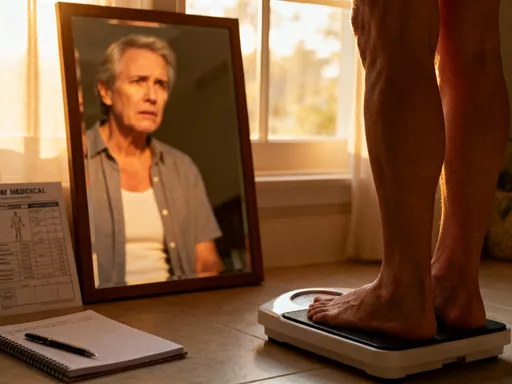
Tracking progress is another crucial element. While weight is often the default metric, it’s not always relevant in recovery. More meaningful indicators include reduced pain, improved range of motion, better sleep, or increased ease in daily tasks—like bending to tie shoes or reaching for a high shelf. Keeping a simple journal or using a notes app to record these non-scale victories can provide motivation and clarity. Over time, these small wins add up, creating a sense of accomplishment that fuels continued effort.
When to Seek Help: Knowing the Line Between Progress and Risk
While self-guided rehab can be empowering, it’s not a substitute for professional care. There are times when expert guidance is not just helpful—it’s necessary. Knowing when to seek help is a critical part of the recovery process. Certain signs indicate that movement may be doing more harm than good, and a consultation with a physical therapist or healthcare provider is warranted.
Red flags include sharp or stabbing pain during or after exercise, increased swelling in the affected area, persistent numbness or tingling, or noticeable imbalance—such as favoring one side while walking. These symptoms suggest that the body is not adapting well and may need a different approach. For example, swelling after activity could indicate that inflammation is not being managed properly, or numbness might signal nerve irritation. In these cases, continuing the same routine could delay healing or lead to further injury.
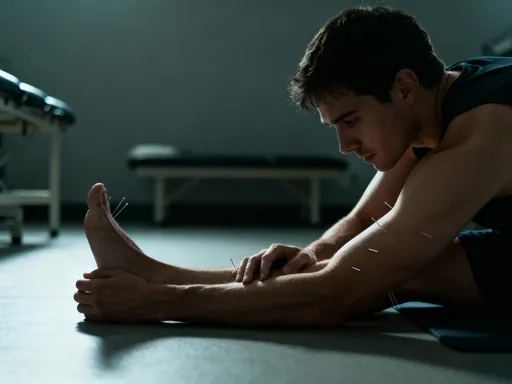
Other warning signs include lack of progress over several weeks, worsening stiffness, or difficulty performing basic tasks despite consistent effort. This doesn’t mean you’ve failed—it means your body may need a more targeted strategy. A physical therapist can assess movement patterns, identify compensations, and design a personalized plan that addresses your specific needs. They can also provide manual therapy, modalities like ultrasound or electrical stimulation, and education on posture, ergonomics, and scar tissue management—all of which enhance recovery.
Seeking help is not a sign of weakness; it’s a sign of wisdom. Recovery is not about going it alone, but about making informed choices with support. Whether it’s one consultation or ongoing sessions, professional guidance can prevent setbacks, speed up progress, and provide reassurance during a vulnerable time. It’s an investment in long-term health, not just short-term fixes.
Beyond the Body: How Recovery Training Transforms Confidence and Daily Living
The benefits of recovery training extend far beyond physical strength. As movement becomes easier, so does life. Simple acts—carrying groceries, playing on the floor with children, standing for long periods, or even sleeping through the night—regain their place in daily routines. These may seem small, but they represent independence, comfort, and joy. For many women, regaining these abilities is deeply emotional. It’s not just about healing a part of the body; it’s about reclaiming a sense of self.
Confidence grows with each milestone. The first time you climb stairs without holding the railing, lift a suitcase without hesitation, or stand up from the floor unassisted, something shifts. You begin to trust your body again. This trust is powerful—it changes the way you move, the way you carry yourself, and the way you engage with the world. You stand taller, not just physically, but emotionally. You feel capable, resilient, and in control.
Recovery also fosters a deeper connection between mind and body. As you learn to listen to subtle signals—tightness, fatigue, ease—you develop a more intimate understanding of your physical self. This awareness often leads to better self-care choices, such as improved posture, mindful eating, or setting boundaries to protect energy. Healing becomes less about fixing and more about honoring—a daily practice of respect for what the body has endured and what it continues to do.
The journey is not always easy. There are days of doubt, discomfort, and slow progress. But over time, the cumulative effect of small, consistent efforts creates transformation. Healing is not a race to return to who you were. It’s a personal, powerful return to who you are—stronger, wiser, and more attuned than before. And for women, who so often give so much to others, this journey is not just about recovery. It’s about rediscovery.